
Polo Bear Sweater Guide 2026: Why This Classic Style Never Goes Out of Fashion

Introduction
The Polo Bear Sweater has remained one of the most iconic pieces in the world of luxury fashion, blending timeless style, comfort, and a touch of nostalgia. In 2026, this classic Ralph Lauren design continues to attract fashion lovers who appreciate premium craftsmanship and unique storytelling through clothing. From casual streetwear looks to sophisticated winter outfits, the Polo Bear Sweater offers endless styling possibilities for every occasion.
In this complete Polo Bear Sweater Guide 2026, we will explore why this legendary sweater never goes out of fashion, its history, popular designs, styling tips, and what makes it a must-have piece for modern wardrobes. Whether you are a long-time collector or discovering this trend for the first time, this guide will help you understand the lasting appeal of the Polo Bear Sweater.
The Company Behind the Polo Bear Sweater
Ralph Lauren and the Birth of an Icon
The polo bear sweater is the creation of Ralph Lauren, one of the most recognized fashion houses in the world. Ralph Lauren founded his brand in 1967, starting with a line of wide neckties before expanding into a full lifestyle brand that now spans clothing, accessories, home goods, and fragrances.
Ralph Lauren has always built his brand around a very specific vision: the aspirational American dream. His designs reference prep school culture, equestrian sport, East Coast elegance, and wide open Western landscapes. The polo bear fits perfectly into this universe. It is whimsical yet polished. It is casual yet clearly expensive. It captures exactly the kind of effortless cool that Ralph Lauren has spent decades perfecting.
The brand operates globally, with flagship stores in major cities like New York, London, Paris, and Tokyo. It also runs a robust e-commerce platform that reaches customers in over 100 countries. When you buy a polo bear sweater, you are not just buying a piece of clothing. You are buying into a story that Ralph Lauren has told very carefully for more than five decades.
What Is the Polo Bear Sweater?
The Product That Needs No Introduction (But Gets One Anyway)
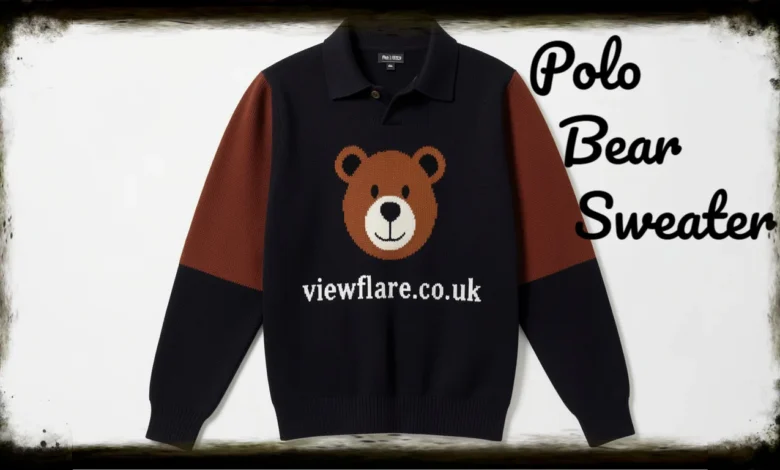
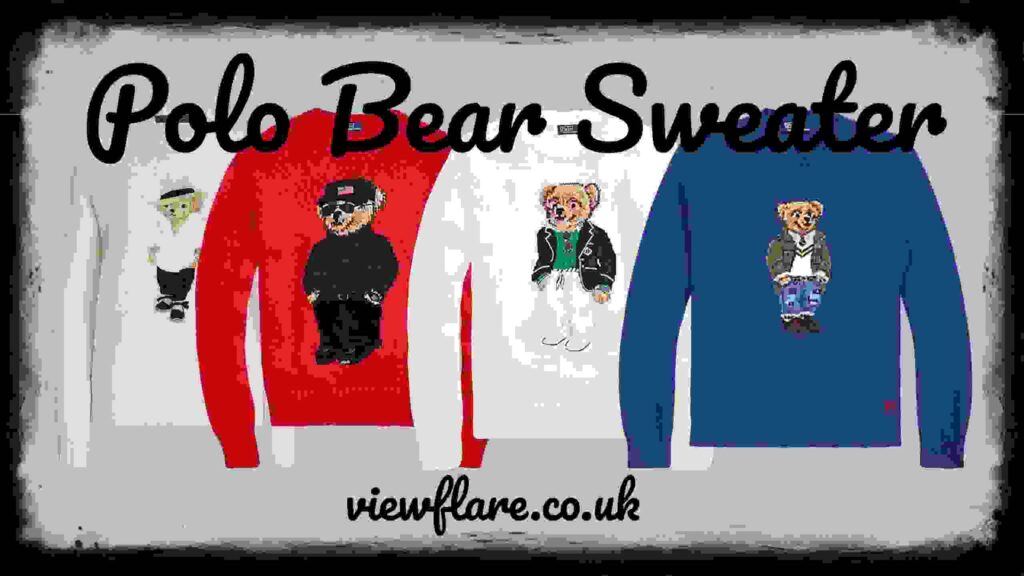
The polo bear sweater features a hand-knit or machine-knit bear character dressed in classic Ralph Lauren clothing — usually a polo shirt, sometimes with accessories like sunglasses, a scarf, or a tennis racket. The bear typically appears on the chest or back of the sweater and is surrounded by textured knit patterns in classic colors.
These sweaters come in several materials, most commonly:
- Merino wool for softness and warmth
- Cotton blends for lighter, transitional wear
- Lambswool for a traditional, premium feel
They also come in a wide range of colorways. Classic combinations include cream with navy detailing, camel with burgundy trim, and holiday red with green accents. Ralph Lauren refreshes the lineup seasonally, so you will find limited editions, collaboration pieces, and archive reissues throughout the year.
The Original Polo Bear
The very first polo bear sweater was introduced in 1991 as a gift from Ralph Lauren to his friend. The bear wore a miniature version of a Ralph Lauren polo shirt, complete with the iconic pony logo. It was so charming that the brand decided to produce it commercially, and it became an instant hit.
Since then, the polo bear has evolved. You will now find it on sweatshirts, jackets, tote bags, and even children’s clothing. But the original sweater remains the most coveted and collectible form.
Market Position of the Polo Bear Sweater
Where It Stands in the Fashion World
The polo bear sweater occupies a very specific and powerful market position. It sits in the accessible luxury category, which means it is expensive enough to signal quality and status but not so far out of reach that it feels unattainable.
Retail prices for a polo bear sweater typically range from $150 to $400 for current season pieces. Vintage and limited-edition versions can command prices of $500 to over $1,500 on resale platforms, depending on condition and rarity.
This pricing places it above fast fashion brands like Zara or H&M but below ultra-luxury labels like Brunello Cucinelli or Loro Piana. It is a sweet spot that Ralph Lauren has mastered. You feel like you are treating yourself without completely breaking the bank.
The polo bear sweater also benefits from what fashion insiders call “cultural stickiness.” It appears regularly in streetwear lookbooks, on celebrities, and in vintage fashion communities on social media. Platforms like Instagram, Pinterest, and TikTok have introduced the polo bear to entirely new generations of shoppers who were not even born when it launched in 1991.
Ralph Lauren’s Revenue Model
How the Brand Makes Money on the Polo Bear (and Everything Else)
Ralph Lauren operates through a multi-channel revenue model that includes:
Retail Stores: Ralph Lauren runs hundreds of full-price retail stores worldwide, including flagship locations and smaller format shops. These stores carry the full range of polo bear products alongside the broader collection.
E-Commerce: The brand’s online store is a significant revenue driver. Digital sales have grown substantially since 2020, and Ralph Lauren has invested heavily in improving the online shopping experience.
Department Store Partnerships: You will find Ralph Lauren products, including polo bear sweaters, at major retailers like Nordstrom, Bloomingdale’s, and Selfridges. These wholesale partnerships extend the brand’s reach without requiring additional store locations.
Outlet Channels: Ralph Lauren Factory Stores offer past-season pieces at reduced prices. You can sometimes find older polo bear styles here at a significant discount.
Licensing: Ralph Lauren licenses its brand for fragrances, eyewear, and home goods. This extends brand equity without requiring direct manufacturing investment in those categories.
Resale and Secondary Markets: While Ralph Lauren does not directly profit from resale, the strong secondary market for polo bear sweaters reinforces the brand’s value perception and drives demand for new pieces.
In its most recent fiscal year, Ralph Lauren reported revenues exceeding $6 billion globally. The Polo Ralph Lauren line, which includes the polo bear sweater, is the brand’s highest-revenue segment.
Competitors in the Premium Knitwear Space
How the Polo Bear Stacks Up
The polo bear sweater does not exist in a vacuum. Several competitors target similar buyers with premium knitwear and iconic branding.
Tommy Hilfiger Tommy Hilfiger offers preppy American knitwear at a similar price point. The brand has strong brand recognition and a long history in the same aesthetic territory. However, Hilfiger lacks the specific character-based iconography that makes the polo bear so memorable and collectible.
Lacoste Lacoste is famous for its crocodile logo and sporty-preppy aesthetic. It competes with Ralph Lauren across multiple product categories. Lacoste knitwear is well-made and stylish, but it does not have a novelty sweater with the cultural cache of the polo bear.
Brooks Brothers Brooks Brothers has been selling American prep fashion since 1818. Its knitwear is classic and well-regarded, and it targets a very similar demographic. However, Brooks Brothers has faced financial difficulty in recent years, which has affected its brand perception and product consistency.
Rowing Blazers Rowing Blazers is a newer player that has built a cult following around vintage-inspired, character-driven knitwear. Its intarsia sweaters and novelty knits directly compete with the polo bear aesthetic and have attracted a younger, trend-forward audience.
Vintage Market Perhaps the polo bear sweater‘s most interesting competition comes from itself. The secondary market for vintage polo bear sweaters is enormous. Many buyers prefer the older versions, which they consider more authentic and better made. This creates a fascinating dynamic where the original product competes with its own archive.
The Benefits of Owning a Polo Bear Sweater
Why You Actually Want One of These
You might be wondering whether the polo bear sweater is worth the investment. Here is why so many people say yes.
Timeless Design The polo bear sweater has looked good for over 30 years. It does not chase trends. It sets them, ignores them, and outlasts them. You can pull this sweater out of your closet five years from now and it will still look sharp.
Versatility You can dress it up or down with ease. Wear it over a collared shirt for a classic preppy look. Pair it with jeans and sneakers for a casual weekend outfit. Layer it under a blazer for something a little more elevated. The polo bear sweater adapts to your style, not the other way around.
Conversation Starter There is something undeniably charming about the bear character. People notice it. They ask about it. It gives you something to talk about without trying too hard.
Investment Value Limited-edition and vintage polo bear sweaters hold their value remarkably well. Some appreciate significantly over time, especially rare colorways and collaboration pieces. Buying one can feel like purchasing a small piece of fashion history.
Quality Materials Ralph Lauren uses quality yarns and construction methods. A well-cared-for polo bear sweater can last decades. That kind of longevity makes the price per wear surprisingly reasonable.
Future Plans for the Polo Bear
Where This Icon Is Headed
Ralph Lauren has shown no signs of slowing down the polo bear. If anything, the brand is leaning further into its archive and heritage as a strategic direction.
Recent seasons have seen the polo bear reimagined in new silhouettes, larger intarsia formats, and unexpected colorways. Collaborations with artists and designers have introduced the bear to new creative contexts. The brand has also expanded the polo bear into categories like outerwear, headwear, and accessories, growing the character beyond the sweater format.
Sustainability is also part of the picture. Ralph Lauren has committed to using more recycled and responsibly sourced materials across its product range, including knitwear. Future polo bear sweaters may feature recycled wool or organic cotton, aligning the iconic character with modern consumer values.
Digital expansion is another frontier. Ralph Lauren has explored virtual fashion and digital experiences, and the polo bear character is well-suited for that world. It would not be surprising to see a digital polo bear sweater available as a wearable in a gaming or metaverse context alongside the physical product.
How to Style Your Polo Bear Sweater
Real Looks You Can Actually Wear
Here are a few easy ways to wear your polo bear sweater and look great doing it.
Classic Prep Look Tuck a white Oxford shirt under the sweater. Add chino trousers in khaki or navy. Finish with loafers or white canvas sneakers. This is the look the sweater was made for.
Casual Weekend Wear the sweater over a plain white tee. Pair with straight-leg jeans in a medium wash. Add clean white sneakers. Simple, clean, and effortlessly stylish.
Layered Fall Look Pull the polo bear sweater over a turtleneck in a complementary color. Add wool trousers and leather boots. Throw a camel overcoat over everything. This combination is warm, polished, and seasonally appropriate.
Smart Casual Office Wear the sweater over a light blue button-down with the collar showing. Add tailored trousers and leather derby shoes. This works in most creative and business casual environments.
Conclusion
The polo bear sweater is one of those rare fashion pieces that genuinely earns its legendary status. It is fun without being frivolous. It is premium without being pretentious. And it has managed to stay relevant across three decades of changing trends, which is no small achievement in the fashion world.
Whether you are a longtime Ralph Lauren fan or just discovering the polo bear for the first time, this sweater offers something that is hard to find: genuine character, lasting quality, and a design that feels as fresh today as it did in 1991.
So the real question is — which polo bear sweater will you add to your wardrobe first?
Frequently Asked Questions
1. What is a polo bear sweater? A polo bear sweater is a knit sweater featuring a bear character wearing Ralph Lauren clothing, typically a polo shirt. It was introduced by Ralph Lauren in 1991 and has become one of the brand’s most iconic pieces.
2. How much does a polo bear sweater cost? New polo bear sweaters from Ralph Lauren retail between $150 and $400. Vintage and limited-edition versions can sell for $500 to over $1,500 on resale platforms.
3. Are polo bear sweaters worth the money? Many buyers find them worth the investment due to their quality construction, timeless design, and strong resale value. Limited editions especially tend to hold or increase in value over time.
4. Where can I buy a polo bear sweater? You can buy one directly from Ralph Lauren’s website or retail stores. Department stores like Nordstrom and Bloomingdale’s also carry them. For vintage versions, check resale platforms like Grailed, eBay, and Depop.
5. How do I care for my polo bear sweater? Hand washing in cold water is the safest method. Lay it flat to dry rather than hanging it, which can cause the sweater to stretch out of shape. Always check the care label for specific instructions.
6. Do polo bear sweaters run true to size? Generally yes, but vintage versions may run slightly smaller than modern sizing. It is always a good idea to check the measurements listed in product descriptions, especially when buying secondhand.
7. Are there different versions of the polo bear sweater? Yes. The bear has appeared in dozens of different outfits and activities over the years, including skiing, golfing, and attending formal events. Seasonal and limited-edition versions are released regularly.
8. Is the polo bear sweater unisex? While it is traditionally marketed as menswear, many women wear it too. The oversized fit popular in streetwear styling makes it easy to wear across genders.
9. What makes a vintage polo bear sweater more valuable? Rarity, condition, colorway, and the specific bear character depicted all affect value. Sweaters with bears in unusual outfits or from early 1990s production tend to be the most sought after.
10. Has the polo bear appeared in popular culture? Yes. The polo bear has been referenced in hip hop culture, worn by celebrities, and featured in multiple fashion documentaries and retrospectives on American fashion history.
also read: viewflare.co.uk
email: johanharwen@314gmail.com
Author Name: Jamie Caldwell
About the Author : Jamie Caldwell is a fashion writer and stylist with over eight years of experience covering menswear, luxury brands, and vintage fashion. Jamie has contributed to several leading style publications and runs a personal blog dedicated to building timeless, investment-worthy wardrobes. When not writing, Jamie can usually be found hunting for vintage finds at weekend markets or testing the latest knitwear drops.
