
Most weekly roundups list launches and funding rounds without telling you what to do with them.Restaurant Technology News This one sorts the noise from the signal. It covers what is happening in restaurant technology as of October 2026, what the data says about adoption, and where operators should be cautious.
What Is the Latest Restaurant Technology News?
In short: the story of 2026 is integration and proof of value. AI is moving from pilot to production in a few areas, mainly drive-thru voice ordering, while most operators are putting budget into tools that improve guest experience and staff efficiency.
The money follows that pattern. Restaurant Business, citing National Restaurant Association (NRA) survey data, reported that 60% of operators plan to invest in technology that improves customer experience in 2026. That is happening while traffic is soft. Average chain restaurant occasions remain 7% below 2019 levels, according to Restaurant Business editor-in-chief Jonathan Maze. marketscalemarketscale
Operators are spending on technology because margins are tight, not because business is booming. The NRA’s 2026 outlook says persistent cost pressure continues to push restaurants toward efficiency, and that 42% were not profitable in 2025. Technology that doesn’t help profitability or labor is getting harder to justify. expertmarket
How Is AI Changing Restaurants in 2026?
In short: AI is most visible in drive-thru ordering, guest personalization and back-of-house decisions like forecasting and scheduling. Results vary widely by brand and by how well the system connects to the POS.
Drive-thru voice AI: progress with a few stumbles
Drive-thru voice AI is the clearest test of whether restaurant automation works at scale. In January 2026, Presto announced it had added $10 million in funding, and said hundreds of drive-thrus are now live with its voice product. Restaurant Business reported that Presto works with 12 restaurant brands, and that co-founder Krishna Gupta wants to reach thousands of locations by the end of 2026. That is a company target, not a result, so treat it accordingly. prestorestaurantbusinessonline
The picture elsewhere is mixed. Restaurant Dive noted that Wendy’s said it would deploy its FreshAI system across 500 restaurants, and that Zaxby’s, Church’s Texas Chicken and Bojangles are turning to drive-thru AI for labor productivity. It also noted that McDonald’s ended its IBM voice test in 2024, and that Taco Bell, which had rolled out native voice AI to more than 500 restaurants, was rethinking its deployment after reports of glitches and delays. restaurantdive
My read: voice AI works best where menus are simple, modifiers are well structured and the system hands off to a human gracefully. Noise, accents and heavy customization still cause trouble. If a vendor can’t show accuracy in your lanes, with your menu, be skeptical. restauranttechnologynews
AI agents and guest communication
Beyond the drive-thru, vendors are pitching AI agents that answer phones, handle reservations and take over repetitive guest messages. The logic is sound, because a missed call is a lost table. But these tools are only as good as the data behind them: menu accuracy, availability and hours must sync automatically, or the agent will confidently give wrong answers.
Which Restaurant Technology Trends Matter Most?
In short: speed, integration and visibility. The most useful tools reduce duplicate work and put sales, labor and inventory in one place.
An Expert Market guide sponsored by Toast makes the same point: disconnected ordering creates duplicate work, missed tickets and higher error rates, which is why integrated systems are the most useful in 2026. The sponsorship is worth keeping in mind, but the logic holds up in practice. expertmarket
Here is how the main categories compare:
| Technology | What it solves | Main watch-out |
|---|---|---|
| Cloud-based POS | Unified sales, menu and reporting data | Migration downtime and hardware costs |
| Online and digital ordering | Direct revenue, less third-party dependence | Order routing into the kitchen |
| Voice AI | Drive-thru speed, upselling, labor relief | Accuracy with noise and custom orders |
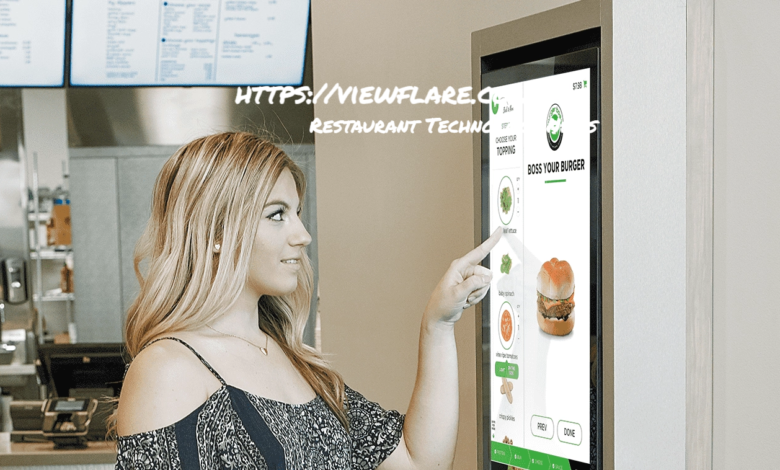
| Kiosks and QR ordering | Shorter lines, higher ticket sizes | Needs clear menus and staff support |
| Automated labor scheduling | Forecast-based shifts, less overtime | Staff trust and local labor rules |
| Loyalty and personalization | Repeat visits, guest data | Only works with clean customer data |
What About POS and Payment Technology?
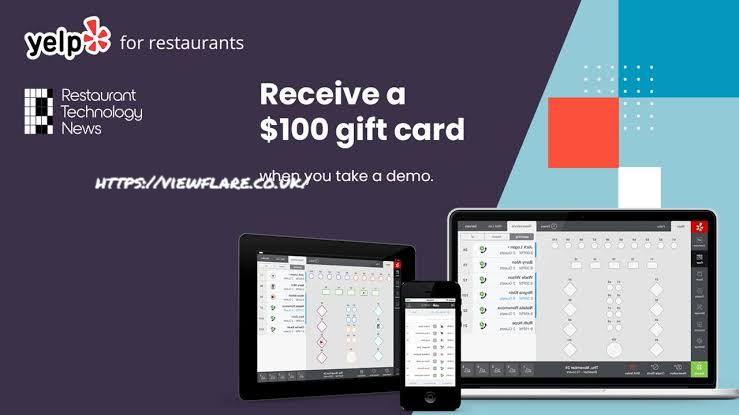
In short: the POS is now the hub. Ordering, payments, loyalty, labor and reporting increasingly connect through it, so a weak POS limits everything else.
That is why integrations make headlines. Dealroom reported that an integration between Presto and Toast could let restaurants updating their POS adopt Presto’s voice tools more easily. Whether or not that exact tie-up scales, the direction is clear: operators want add-ons that plug into the POS rather than one more screen. letsdatascience
Payments follow the same logic. Contactless and mobile payments are now table stakes. The differentiator is how cleanly payment data flows back into reporting, tips, loyalty and reconciliation.
How Are Operators Using Technology to Manage Labor?
In short: labor management is where technology often pays back fastest, because scheduling and forecasting errors cost money every week.
Toast’s own 2026 survey, as summarized by Expert Market, found that 37% of operators named improving profitability as their top goal, while 51% were focused on increasing staff efficiency. That tells you where budgets are heading: AI labor management, automated labor scheduling and workforce management tools that tie hours to expected demand. expertmarket
A practical starting point is to compare your last 90 days of scheduled hours against sales by daypart. If the gaps are large and recurring, scheduling software will likely help. If the gaps are small, your money may be better spent elsewhere.
What Are Restaurants Prioritizing Outside the US?
UK operators show a similar pattern with a different emphasis. In a survey of 400 UK restaurant owners, most said online ordering and delivery platforms would shape operations more than other tools in 2026, with AI and automation ranking next and digital loyalty and personalization ranking lowest, though nearly one in 10 still picked it. The survey also found that 28% were already investing in new technology. UK operators appear focused on managing digital demand across dine-in, takeaway and delivery before layering on more advanced AI. itbriefitbrief
What Risks Should Operators Watch?
In short: cybersecurity, integration debt and tech sprawl.
- Security: NRA data reported by Restaurant Business shows 44% of operators plan cybersecurity investments in 2026. Every kiosk, tablet and connected device is another entry point, so segment networks and manage devices before expanding. marketscale
- Integration debt: every tool that doesn’t talk to your POS creates manual work later.
- Tech sprawl: five disconnected apps rarely beat two well-connected platforms.
- Staff adoption: a tool your team works around delivers nothing.
How Should You Evaluate New Restaurant Tech?
A simple five-step test works for most decisions:
- Name the problem in numbers (wait times, overtime hours, abandoned calls).
- Check POS compatibility before the demo, not after.
- Ask for results from similar restaurants, not generic case studies.
- Pilot in a few locations or one daypart with a clear success metric.
- Plan the exit: contract length, data ownership and hardware costs.
What Does the Future of Restaurant Technology Look Like?
I expect three things over the next two years. Voice AI will become routine in drive-thrus for chains with disciplined menus, though not everywhere. Guest-facing AI will increasingly connect to loyalty and POS data, so personalization becomes more than a promotional email. And back-office tools for inventory, purchasing and labor will merge into a live view of profitability. This is analysis, not a prediction anyone can guarantee, and the early voice AI setbacks are a reminder that rollouts rarely go as smoothly as the press releases suggest.
Frequently Asked Questions
What is the restaurant technology news today?
As of October 2026, the main themes are drive-thru voice AI moving into broader rollout, operators prioritizing guest-experience technology despite soft traffic, and a push for tools that integrate with the POS. For daily updates, follow Restaurant Dive, Nation’s Restaurant News, Restaurant Business and Hospitality Technology.
What was the restaurant technology news in 2022?
Restaurant technology coverage in 2022 centered on labor shortages, the continued growth of online ordering and delivery, and wider use of QR code menus and contactless payments. Voice AI was mostly at the pilot stage. For exact figures from that year, check the original trade-publication archives.
Are there restaurant technology jobs?
Yes. Roles include POS and implementation specialists, customer success managers, data analysts, product managers, and IT or cybersecurity staff at restaurant brands and technology vendors. Job boards and the careers pages of restaurant technology companies are good places to start.
What is the Restaurant Technology Network?
The name is commonly used for industry communities and publications covering restaurant tech. Since several groups use similar names, check the specific organization’s website for membership and events. For news coverage, trade outlets like Restaurant Dive and Nation’s Restaurant News are reliable.
Where can I find hotel technology news?
Hospitality Technology covers both restaurants and hotels. Hotel-focused trade sites cover property management systems, guest messaging and revenue tools. Many of the same themes (AI, automation, guest experience, integrated data) apply across both sectors.
Where can I follow restaurant marketing news?
Restaurant Business, Nation’s Restaurant News and Restaurant Dive regularly cover loyalty programs, digital marketing and customer engagement. Vendor blogs can be useful but are often promotional, so cross-check claims.
What is Modern Restaurant Management?
Modern Restaurant Management (MRM) is a long-running trade magazine and website covering restaurant operations, management and industry trends.
What are the best restaurant industry magazines?
Nation’s Restaurant News, Restaurant Business, Restaurant Dive (an online outlet), Modern Restaurant Management and Hospitality Technology are widely read. Each has a slightly different focus, so many operators follow two or three.
Read More…