


Introduction
What do you do when your children have endless energy but the weather will not cooperate? A fun indoor playground can turn an ordinary afternoon into an exciting family adventure. These indoor play spaces give children room to climb, jump, slide, explore, and make new friends while parents enjoy a more comfortable environment.
The best fun indoor playground is more than a room filled with colorful equipment. A well designed play center combines physical activity, creative play, age appropriate challenges, safety features, and spaces where children can explore at their own pace.
You may be looking for a place for a weekend outing, a birthday party, or simply somewhere to escape a rainy day. The right choice can make the experience easier for everyone.
This guide explains what makes an indoor playground worth visiting, which activities children enjoy most, how to choose a safe facility, what to bring, and how to make your visit more enjoyable.
What Is a Fun Indoor Playground?
A fun indoor playground is an enclosed recreational space designed primarily for children to play and stay active. Most facilities combine several activities in one location.
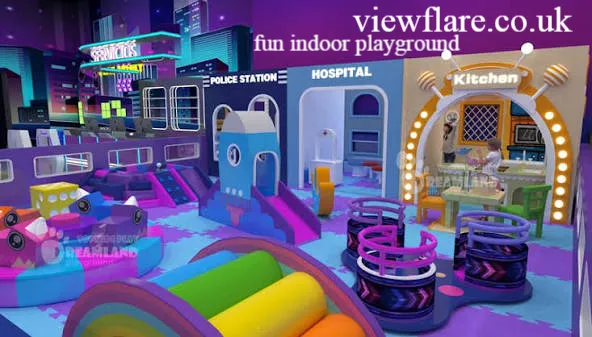
You may find climbing structures, slides, ball pits, obstacle courses, trampolines, pretend play areas, and interactive games. Some larger centers also provide dedicated toddler zones and areas for older children.
Indoor playgrounds can serve different purposes. Some focus on physical activity, while others combine educational activities and imaginative play.
What can children do at an indoor playground?
Popular activities often include:
- Climbing walls and structures
- Slides
- Ball pits
- Soft play areas
- Obstacle courses
- Trampolines
- Tunnels
- Interactive games
- Pretend play stations
- Building activities
- Toddler areas
- Birthday party activities
The variety matters because children have different interests. One child may spend an hour climbing while another prefers imaginative play.
Why Do Kids Love Indoor Playgrounds?
Children naturally enjoy movement and exploration. An indoor playground gives them opportunities to use both their bodies and imagination.
Climbing helps children practice balance and coordination. Running and jumping encourage active movement. Pretend play can support communication and creativity.
A major advantage is variety. Instead of repeating the same activity, children can move between different play zones.
From a practical parent perspective, this variety can also make a visit feel longer and more worthwhile. When children have several activities available, they are less likely to become bored quickly.
Are Indoor Playgrounds Good for Physical Activity?
Yes. Indoor playgrounds can encourage children to stay physically active, especially when outdoor conditions make traditional play difficult.
The Centers for Disease Control and Prevention recommends that children and adolescents aged 6 through 17 get at least 60 minutes of physical activity each day. Activities that strengthen muscles and bones should also form part of their regular routine.
An indoor playground can contribute to that active time through climbing, jumping, running, and other movement based games.
However, one visit should not replace regular outdoor activity. Think of an indoor playground as another useful option in your child’s activity routine.
What Makes a Fun Indoor Playground Worth Visiting?
Not every indoor play center offers the same experience. Before choosing one, look beyond colorful equipment.
A good facility should balance entertainment with safety, cleanliness, supervision, and comfort.
Look for these important features
Age appropriate zones
Toddlers should have a space designed for their size and abilities. Older children need more challenging activities.
Clean facilities
Look for regularly cleaned surfaces, clean bathrooms, and well maintained play equipment.
Visible safety rules
Clear rules help children and parents understand how to use the equipment safely.
Trained staff
Staff should know how to monitor the play area and respond when children need assistance.
Comfortable parent areas
Seating near the play zones allows you to keep an eye on your child without constantly standing. viewflare
Good layout
A logical layout makes it easier for children to move between activities without creating unnecessary congestion.
How Do You Choose the Best Indoor Playground?
Choosing a playground becomes easier when you know what matters to your family.
Start by considering your child’s age. A playground designed mainly for toddlers may not entertain a ten year old for very long. Likewise, a large climbing center may not suit a very young child.
Next, consider your reason for visiting. A quick afternoon outing requires different features than a birthday celebration.
Use this simple checklist
- Check the recommended age range.
- Look at the available activities.
- Check the facility’s safety rules.
- Consider cleanliness.
- Check admission prices.
- Ask about session times.
- Look for toddler areas if needed.
- Check whether food and drinks are available.
- Ask about birthday packages if you are planning a party.
- Consider parking and accessibility.
A little research before leaving home can prevent many common frustrations.
Source: Facebook · The Fun Factory
How Much Time Should You Spend at an Indoor Playground?
There is no perfect duration for every child.
Younger children may become tired after one or two hours. Older children who enjoy physical challenges may happily stay longer.
A useful approach is to watch your child rather than focusing only on the clock. If your child becomes unusually tired, frustrated, or less coordinated, it may be time for a break.
A simple visit structure
First 15 minutes: Let your child explore the environment.
Next 45 minutes: Encourage active play and favorite activities.
Short break: Offer water and a snack if permitted.
Final activity period: Let your child choose a favorite area.
This flexible approach can make the visit feel less rushed.
What Should You Bring to a Fun Indoor Playground?
Packing the right items can make your visit much easier.
Consider bringing:
- Comfortable clothes
- Grip socks if required
- A water bottle
- Small snacks if permitted
- Tissues
- Hand sanitizer
- A spare shirt for younger children
- Any required medication
- A small bag for personal belongings
Avoid bringing expensive toys or unnecessary valuables. Playgrounds can become busy, and loose belongings can easily get misplaced.
Always check the facility’s rules before bringing food, drinks, or personal equipment.
Are Indoor Playgrounds Safe?
Indoor playgrounds can provide a controlled environment, but no play space is completely free from risk.
Children can fall, collide with other children, or misuse equipment. Parents should therefore choose facilities that maintain equipment properly and communicate safety rules clearly.
The American Academy of Pediatrics emphasizes the importance of age appropriate play environments and active supervision.
How can you make play safer?
Stay aware of where your child is playing. Encourage them to use equipment according to its intended purpose.
You should also teach basic playground habits. Waiting for a turn, keeping space between children, and using slides correctly can reduce avoidable accidents.
For younger children, direct supervision becomes particularly important.
What Activities Are Best for Different Ages?
Age appropriate activities can make a major difference in how much your child enjoys the experience.
| Age group | Activities to consider |
|---|---|
| Toddlers | Soft blocks, small slides, tunnels, sensory activities |
| Preschool children | Climbing, slides, pretend play, ball areas |
| Early school age | Obstacle courses, climbing structures, interactive games |
| Older children | Advanced climbing, challenging obstacles, sports activities |
These categories are only general guidance. Your child’s development, confidence, and interests matter too.
A child who loves climbing may enjoy a challenging structure earlier than another child of the same age.
Source: Dreamland Manufacturer
Can a Fun Indoor Playground Help With Social Skills?
Yes. Indoor playgrounds can create natural opportunities for children to interact with others.
Children often need to share equipment, wait for turns, communicate during games, and solve small disagreements.
These everyday interactions can support social development. Parents can help by encouraging respectful communication rather than immediately solving every small disagreement.
For example, if two children want the same slide, you can encourage your child to wait or ask politely for a turn.
The playground then becomes more than a physical activity space. It becomes an environment where children can practice social behavior.
Are Indoor Playgrounds Good for Birthday Parties?
They can be an excellent option for children who prefer active celebrations.
Many indoor play centers offer dedicated party rooms, food packages, decorations, and organized activities. This can reduce the amount of preparation required at home.
Before booking, ask about:
- Maximum number of children
- Party duration
- Food options
- Private party areas
- Decorations
- Staff assistance
- Adult admission
- Additional charges
- Cancellation rules
A clear understanding of the package helps you avoid unexpected costs.
How Can Parents Have a Better Indoor Playground Experience?
Your child may be the main reason for the visit, but your experience matters too.
Choose a playground where you can comfortably supervise your child. Check whether seating is available and whether the facility becomes crowded during peak periods.
Visiting during a quieter session can also make a noticeable difference. Children often have more freedom to explore when fewer people use the play equipment.
From a practical perspective, booking ahead can also help when the facility limits visitor numbers.
What Are the Benefits of a Fun Indoor Playground?
A fun indoor playground can offer several benefits when children use it appropriately.
Key benefits include:
- Encourages physical movement
- Provides an alternative during bad weather
- Supports imaginative play
- Creates opportunities for social interaction
- Offers age appropriate challenges
- Provides variety compared with home play
- Can support active family outings
- Works well for birthday celebrations
The biggest benefit may simply be convenience. You get an organized place where children can play without depending on sunshine or a large outdoor space.
What Should You Avoid in an Indoor Playground?
A few warning signs deserve attention.
Avoid facilities where equipment looks damaged or poorly maintained. Be cautious when staff do not appear attentive or when safety rules are unclear.
You should also reconsider a playground that feels excessively crowded for your child’s age and confidence level.
Remember that the cheapest option is not always the best value. A slightly higher admission price may be worthwhile if the facility provides better maintenance, cleaner spaces, safer equipment, and a better overall experience.
Conclusion
A fun indoor playground can turn an ordinary day into an active and memorable experience. Children can climb, jump, explore, create, and interact with other children while parents benefit from a convenient indoor environment.
The best choice depends on your child’s age, interests, confidence, and activity level. Look for clean facilities, well maintained equipment, age appropriate zones, clear safety rules, and attentive staff.
If you are planning your first visit, start with a shorter session and see how your child responds. Once you find a place that fits your family, it can become a reliable option for rainy days, weekends, school breaks, and special celebrations.
The right fun indoor playground does more than keep children busy. It gives them a place to move, discover, and have fun. What feature would matter most to your family when choosing one?
FAQs
What is a fun indoor playground?
A fun indoor playground is an enclosed play center where children can enjoy activities such as climbing, sliding, jumping, pretend play, and obstacle courses.
What age is best for an indoor playground?
Many indoor playgrounds accommodate toddlers through school age children. Always check the facility’s specific age and height requirements.
What should children wear to an indoor playground?
Comfortable clothing works best. Many facilities also require grip socks, especially in soft play areas.
Are indoor playgrounds safe for toddlers?
They can be, especially when the facility provides a dedicated toddler zone and parents actively supervise young children.
How long should a child stay at an indoor playground?
Around one to two hours can work well for many children, but the ideal duration depends on age, energy level, and interest.
Can indoor playgrounds help children stay active?
Yes. Climbing, jumping, running, and other activities can contribute to a child’s daily physical activity.
Can you host a birthday party at an indoor playground?
Many indoor playgrounds offer birthday packages. Check the number of guests, available food, party room options, and additional charges before booking.
What should parents look for when choosing an indoor playground?
Prioritize cleanliness, equipment condition, age appropriate activities, supervision, safety rules, accessibility, and comfortable parent seating.
Are indoor playgrounds useful during rainy weather?
Yes. They provide children with an indoor space for active play when outdoor activities are difficult.
Author Bio: Johan Harwen The author writes practical guides about family activities, parenting, children’s entertainment, and everyday lifestyle choices. The goal is to provide simple, useful information that helps families make confident decisions.
Email: johanharwen@314gmail.com
Author Name: Johan Harwen