Freedom of Speech Clipart: Creative Symbols That Represent Voice and Rights in 2026

Introduction
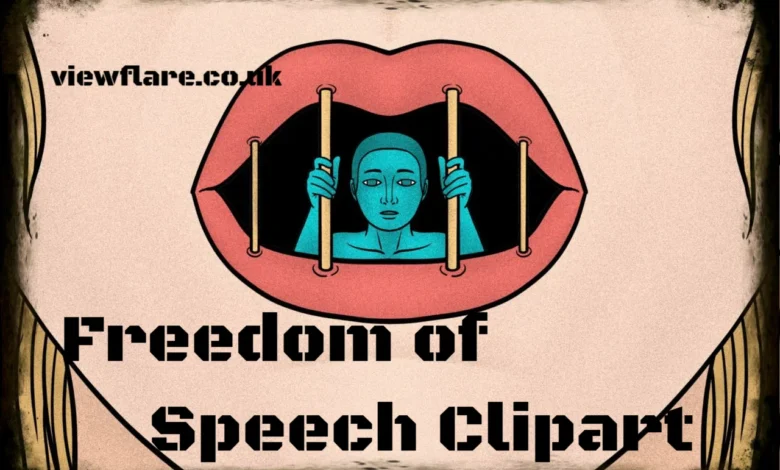
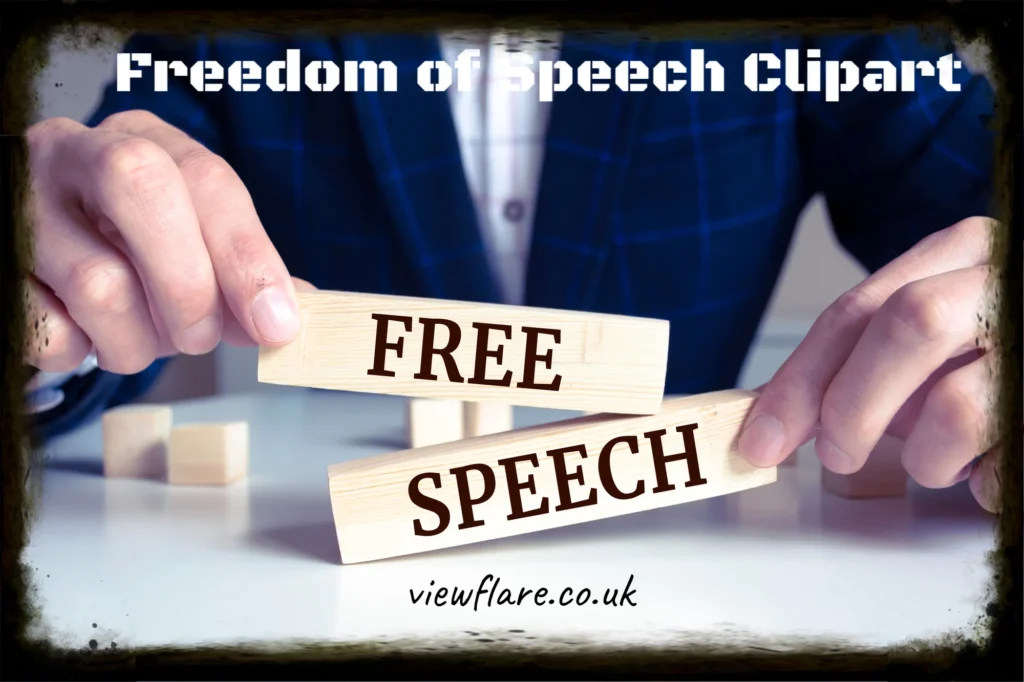
Freedom of speech is one of the most important foundations of a free society, representing the right to share ideas, opinions, and beliefs without fear. In 2026, freedom of speech clipart has become a powerful visual tool used in educational materials, social media posts, presentations, and creative projects to symbolize voice, equality, and human rights. From microphones and speech bubbles to raised hands and symbolic illustrations, these creative designs help communicate the value of open expression and the importance of protecting individual voices. This guide explores the meaning, uses, and popular styles of freedom of speech clipart while highlighting how these visuals continue to inspire conversations about rights and communication.
Why Freedom of Speech Clipart Matters
Visuals carry weight that text alone cannot match. A single image of a megaphone, a raised fist, or an open book can communicate an entire idea in seconds. When you are talking about something as important as free expression, the right graphic adds emotional punch.
I have noticed that posts with strong visuals get shared far more often than text-only content. People scroll fast. A bold image makes them pause. If your goal is to spread awareness about civil liberties, clipart is not just decoration. It is a tool for connection.
Common Uses for This Type of Clipart
You will see freedom of speech clipart pop up in many different settings. Here are some of the most common ones.
- School projects and classroom presentations
- Blog posts and articles about civil rights
- Nonprofit campaigns and awareness drives
- Social media graphics and infographics
- Newsletters and email marketing
- Posters for rallies, debates, or events
Each of these uses calls for a slightly different style. A classroom poster might use playful, cartoonish icons. A news article might lean toward a more serious, realistic illustration.
Where to Find Quality Freedom of Speech Clipart
Finding good clipart used to mean digging through cluttered stock sites full of watermarks. Things have improved a lot. Now there are several reliable sources where you can find clean, professional images.
Free Stock Image Sites
Many platforms offer free clipart and illustrations under open licenses. These sites are a great starting point if you are on a budget or just need something quick.
- Pixabay offers a wide range of free vector graphics, including many related to justice and civil rights.
- Freepik has thousands of illustrations, though some require attribution or a premium plan.
- Vecteezy provides clean vector art with flexible licensing options.
- OpenClipart focuses entirely on public domain images, which means no attribution is needed.
Paid Stock Libraries
If you need something more polished or unique, paid libraries are worth the investment. Shutterstock, Adobe Stock, and iStock all carry extensive collections related to civil liberties, protest, and expression. These platforms usually offer better quality control and more consistent styles across an entire collection.
Government and Educational Resources
Here is something many people overlook. Government education sites and museums sometimes release historical illustrations related to free speech and the Constitution. These can be especially useful for academic projects since they carry built in credibility. Source : Vecteezy
Types of Freedom of Speech Clipart You Will Encounter
Not all clipart looks the same. Knowing the different styles helps you pick the right one for your project.
Symbolic Icons
These are simple, recognizable images like a megaphone, an open mouth, a microphone, or a quill pen. They work well in infographics and small graphics where you need a quick visual cue.
Illustrative Scenes
These show people in action, such as a crowd holding signs or a person speaking at a podium. They tend to feel more emotional and work better for larger banners or article headers.
Patriotic and Historical Themes
Some clipart leans on flags, the Constitution, or historical figures. This style suits formal or educational content, especially anything tied to American history or civics lessons.
Minimalist and Flat Design
Flat, modern icons are popular right now. They use simple shapes and limited colors. This style fits well with current website trends and looks clean on mobile screens.
How to Choose the Right Clipart for Your Project
Picking the right image is not just about what looks nice. You want something that matches your tone and message.
Ask yourself a few questions before downloading anything.
- Does this image match the seriousness or playfulness of my content?
- Will it look good at the size I plan to use it?
- Does the color scheme fit my brand or page design?
- Is the license appropriate for how I plan to use it?
I always tell people to picture the image at its final size before choosing it. A detailed illustration might look great full screen but turn into a blurry mess as a tiny icon.
Quick Tip for Beginners
If you are not a designer, stick with simple, flat icons. They scale better and look professional even if you are not skilled at layout or color theory.
Understanding Licensing for Freedom of Speech Clipart
This part trips up a lot of people, so let us break it down clearly.
Public Domain
Public domain images have no copyright restrictions. You can use them freely, modify them, and even sell products that include them. OpenClipart is a great source for this category.
Creative Commons
Creative Commons licenses vary. Some require attribution, meaning you must credit the creator. Others allow commercial use, while some do not. Always check the specific terms attached to each image.
Royalty Free
Royalty free does not mean free of charge. It means you pay once and can use the image multiple times without paying again for each use. Most paid stock sites operate this way.
Why Licensing Matters
Using copyrighted images without permission can lead to legal trouble or forced takedowns. It also damages trust if you are representing an organization. Always double check the license before publishing anything publicly.
Design Tips for Using Freedom of Speech Clipart Effectively
Good clipart deserves good placement. Here are some practical tips to make your visuals shine.
Keep It Simple
Do not overcrowd your design. One strong image often communicates more than five small ones crammed together.
Match Your Color Palette
Choose clipart that fits your existing color scheme. If your brand uses blue and white, look for graphics in similar tones rather than clashing colors.
Pair Text Thoughtfully
When adding text over an image, make sure it is readable. Use contrasting colors and leave enough white space around the words.
Consider Your Audience
A graphic for a high school civics class will look very different from one Freedom of Speech Clipart used in a legal blog. Tailor your style choice to who will actually see it.
Common Mistakes to Avoid
Even experienced designers slip up sometimes. Watch out for these pitfalls.
- Using low resolution images that look pixelated when enlarged
- Ignoring license requirements and risking copyright issues
- Choosing clipart that feels outdated or clip art heavy from the early 2000s
- Overloading a single page with too many competing graphics
- Forgetting to test how the image looks on mobile devices
I have made some of these mistakes myself early on, especially the resolution one. Nothing ruins a polished presentation faster than a blurry image stretched too far.
How Freedom of Speech Clipart Supports Bigger Messages
Visual storytelling plays a real role in how people understand civic concepts. A well chosen image next to an explanation of the First Amendment can make abstract ideas feel concrete. Students remember visuals better than plain text, and that makes clipart a useful teaching tool, not just decoration.
Nonprofits and advocacy groups also rely on strong visuals to build emotional connection. A simple graphic shared on social media can spread an idea faster than a long article ever could. This is part of why investing time in finding the right clipart actually matters for your overall message.
Quick Checklist Before You Publish
Before you finalize your project, run through this short list.
- Confirm the license allows your intended use
- Check image resolution at final display size
- Make sure colors match your overall design
- Test how it looks on both desktop and mobile
- Credit the creator if the license requires it
This simple habit can save you from headaches later, especially if your content gets shared widely.
Conclusion
Freedom of speech clipart can turn a simple message into something visually powerful. Whether you are building a classroom lesson, a nonprofit campaign, or a blog post, the right image helps your audience connect with the idea faster. Pay attention to licensing, choose a style that matches your tone, and keep your design clean and uncluttered.
Next time you need a strong visual for a project about civil liberties, you now know exactly where to look and what to avoid. Have you used clipart like this before? Feel free to share your favorite source in the comments, and pass this guide along to anyone who might find it useful.
Frequently Asked Questions
Is freedom of speech clipart free to use?
Many images are free, especially from sites like OpenClipart and Pixabay. Always check the specific license before using any image commercially.
Can I use this clipart for a school project?
Yes, most clipart works perfectly fine for educational use, especially public domain or Creative Commons licensed images.
What is the difference between royalty free and public domain?
Public domain has no copyright at all. Royalty free means you pay once and can reuse the image without additional fees, but it may still have some restrictions.
Where can I find high quality vector versions?
Vecteezy and Freepik both offer strong vector collections that scale well for both print and digital use.
Do I need to credit the artist?
It depends on the license. Creative Commons images often require attribution, while public domain images usually do not.
Can I edit the clipart after downloading it?
In most cases yes, especially with vector files. Always check the license terms since some restrict modification.
What style works best for social media graphics?
Flat, minimalist icons tend to perform well on social platforms since they look clean even at small sizes.
Is it safe to use clipart from a random Google search?
Not always. Random search results often skip licensing details, which can lead to copyright issues. Stick to verified stock sites instead.
also read: viewflare.co.uk
email: johanharwen@314gmail.com
Author Name: Sarah Mitchell
About the Author : Sarah Mitchell is a content and design writer who focuses on visual storytelling, digital resources, and practical design guidance for educators, nonprofits, and small businesses. She enjoys helping readers find creative tools that make their projects easier and more impactful.