
Introduction
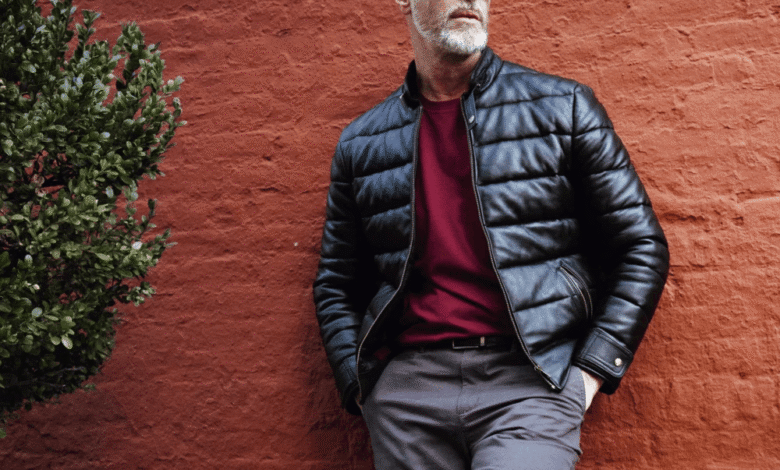
A casual business jacket is a polished outer layer that sits between formal tailoring and everyday casual clothing. The best options make an outfit look professional without requiring a complete suit.
Depending on the workplace, this can include a blazer, sport coat, lightweight jacket or certain smart casual styles. Current workplace guidance also stresses that business casual is not identical everywhere. Company culture, industry, seniority and the occasion can all affect what is appropriate.
For most men, the easiest formula is simple:
Structured jacket + collared shirt + chinos or dress pants + clean leather shoes.
That combination gives you a polished business casual outfit without looking excessively formal.
How Do You Choose the Right Business Casual Jacket?
Start with your office dress code, then consider the jacket’s structure, fabric, color, fit and versatility.
A good jacket should:
- Look clean and professional
- Fit comfortably across the shoulders
- Work with several trousers
- Complement your existing shirts
- Suit your workplace environment
- Be appropriate for the season
- Avoid excessive logos, graphics or distracting details
If you are unsure about the company dress code, check the written policy or observe what colleagues and senior employees wear. Asking a recruiter or hiring manager is also reasonable when the expectations are unclear.
The Best Types of Casual Business Jackets
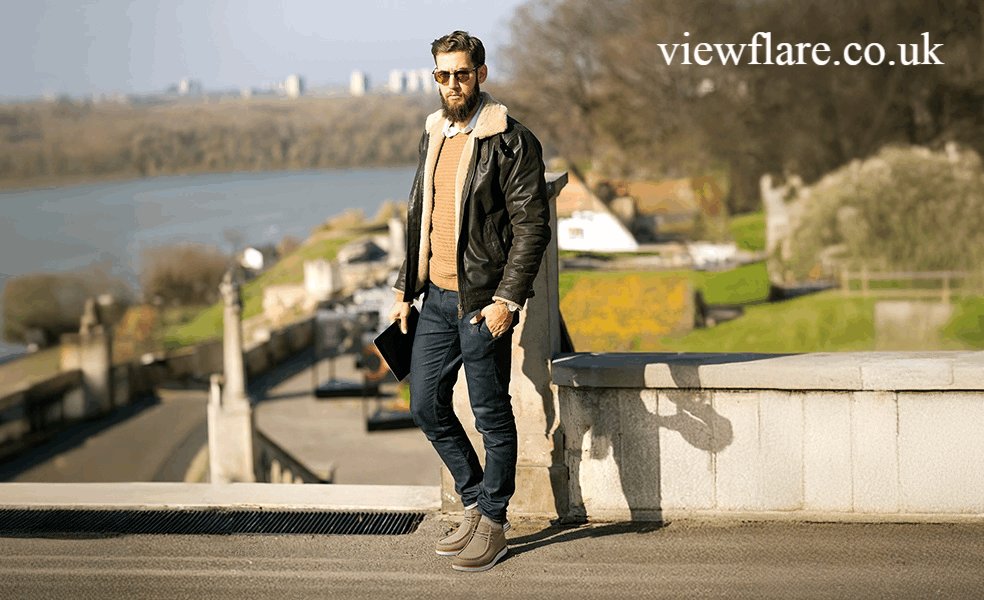
Not every casual jacket belongs in an office. These are the most useful categories to consider.
Blazers
Blazers are one of the safest choices for business casual clothing.
A navy, charcoal, gray or medium brown blazer can work with chinos, wool trousers, slacks and even some dark jeans where the workplace permits them.
For a more traditional professional setting, choose:
- Minimal detailing
- Clean lapels
- Structured shoulders
- Neutral colors
- A tailored but comfortable fit
A blazer is especially useful for presentations, interviews, networking events and client meetings where you want additional polish.
Sport Coats
Sport coats are slightly more relaxed than traditional suit jackets and often feature more texture or visual character.
Look for wool, cotton, linen blends or other breathable fabrics depending on the season. Subtle checks, herringbone textures and muted patterns can add personality without making the outfit look too casual.
A sport coat works particularly well with dress pants, chinos, a button down shirt and loafers.
Lightweight Jackets
Lightweight business casual jackets are useful during spring, early fall and warmer climates.
Look for simple designs made from cotton, technical blends or lightweight wool. Avoid overly sporty details if the jacket will be worn in a conservative office.
A clean lightweight jacket can be a practical alternative to a blazer when your workplace has a relaxed business casual dress code.
Harrington Jackets
Harrington jackets can work in relaxed professional environments when styled carefully.
Choose a solid color such as navy, black, olive or dark brown. Pair it with a collared shirt, chinos and leather shoes.
The key is to make the rest of the outfit polished enough to balance the jacket’s casual heritage.
Bomber Jackets
A minimalist bomber can work in a modern or creative workplace.
Avoid athletic versions with large logos, shiny materials or exaggerated details. Instead, choose a streamlined design in a neutral color.
Pair it with:
- Oxford or button down shirt
- Chinos or tailored trousers
- Leather loafers
- Simple belt
- Minimal accessories
This creates a contemporary men’s business casual style without looking like traditional formalwear.
Field Jackets
Field jackets are practical casual business jackets for workplaces with a relaxed dress code.
Their usefulness comes from their pockets, durable fabrics and weather resistance. However, they should remain clean and streamlined for office wear.
A dark cotton field jacket with chinos, a collared shirt and leather shoes can work well for commuting and casual office environments.
Peacoats
A classic navy peacoat can serve as business casual outerwear during colder months.
It looks especially good over:
- Blazers
- Sweaters
- Button down shirts
- Dress pants
- Chinos
Choose a simple, well fitted version without excessive hardware or decorative details.
Casual Business Jacket Outfit Formulas
The easiest way to build a professional outfit is to combine one polished jacket with simple supporting pieces.
Blazer + Chinos + Button Down Shirt
This is one of the most versatile combinations.
Try a navy blazer with beige or gray chinos and a white or light blue shirt. Finish with brown or black leather shoes depending on the colors.
Sport Coat + Dress Pants + Collared Shirt
This combination works well when you need to look more polished.
Choose a textured sport coat with plain dress pants. Keep the shirt relatively simple so the jacket remains the main visual element.
Lightweight Jacket + Chinos + Polo
For a relaxed office, a minimalist lightweight jacket can work with chinos and a quality polo.
This is better suited to workplaces that already operate toward the casual side of business casual.
Harrington + Dress Pants + Button Down Shirt
A dark Harrington jacket can create a modern look when combined with tailored trousers and polished leather shoes.
The trousers and footwear keep the overall outfit professional.
Casual Business Jacket vs. Suit Jacket
A suit jacket is designed to be worn with matching trousers. A casual business jacket is generally intended to work as a separate piece.
That distinction matters.
A suit jacket can sometimes be worn separately, but it may look unusual if its fabric, pattern or structure clearly belongs with matching suit trousers.
For regular business casual wear, blazers and sport coats are usually easier to style as separates.
What Colors Work Best?
Neutral and muted colors are the safest starting point.
Best jacket colors
- Navy
- Charcoal
- Medium gray
- Dark brown
- Olive
- Tan
- Black for suitable modern settings
Navy is particularly versatile because it pairs naturally with gray, beige, khaki and many shades of brown.
You can introduce stronger colors or subtle patterns once you understand your workplace expectations. Business casual allows more flexibility than business professional attire, but the outfit should still look intentional and polished.
Which Fabrics Should You Choose?
Jacket fabric affects appearance, comfort and seasonal practicality.
| Fabric | Best For | Main Benefit |
|---|---|---|
| Wool | Fall, winter, formal offices | Structure and warmth |
| Cotton | Spring and summer | Breathability and versatility |
| Linen blends | Warm weather | Lightweight comfort |
| Polyester blends | Travel and everyday wear | Durability and easy care |
| Technical fabrics | Commuting and outdoor use | Weather resistance |
| Wool blends | Year round use | Balance of comfort and structure |
For everyday office wear, breathable fabrics can make a significant difference. A jacket that looks excellent but feels uncomfortable after several hours is unlikely to become a wardrobe favorite.
How Should a Business Casual Jacket Fit?
Fit is often more important than the brand or price.
The shoulder seam should sit close to the natural edge of your shoulder. The jacket should close without pulling excessively across the chest, and the sleeves should allow comfortable movement.
Look for:
- Clean shoulder lines
- Comfortable chest and waist
- Sleeves that are not excessively long
- Enough room to layer appropriately
- A jacket length that balances your proportions
- Minimal bunching when sitting or moving
A slim fit can look sharp, but it should never be so tight that it restricts movement. Regular and classic fits can be equally professional when properly tailored.
If the jacket is close in quality but slightly imperfect in fit, alterations can often improve the result considerably.
What Should You Wear Under a Business Casual Jacket?
A collared shirt is the safest option.
Good choices include:
- White button down shirt
- Light blue dress shirt
- Oxford shirt
- Subtle striped shirt
- Polo shirt for relaxed offices
- Fine gauge sweater during colder weather
Avoid graphic T shirts unless your workplace clearly allows them.
For a more formal client facing environment, a dress shirt underneath a blazer or sport coat provides a dependable professional appearance.
What Pants Go With a Casual Business Jacket?
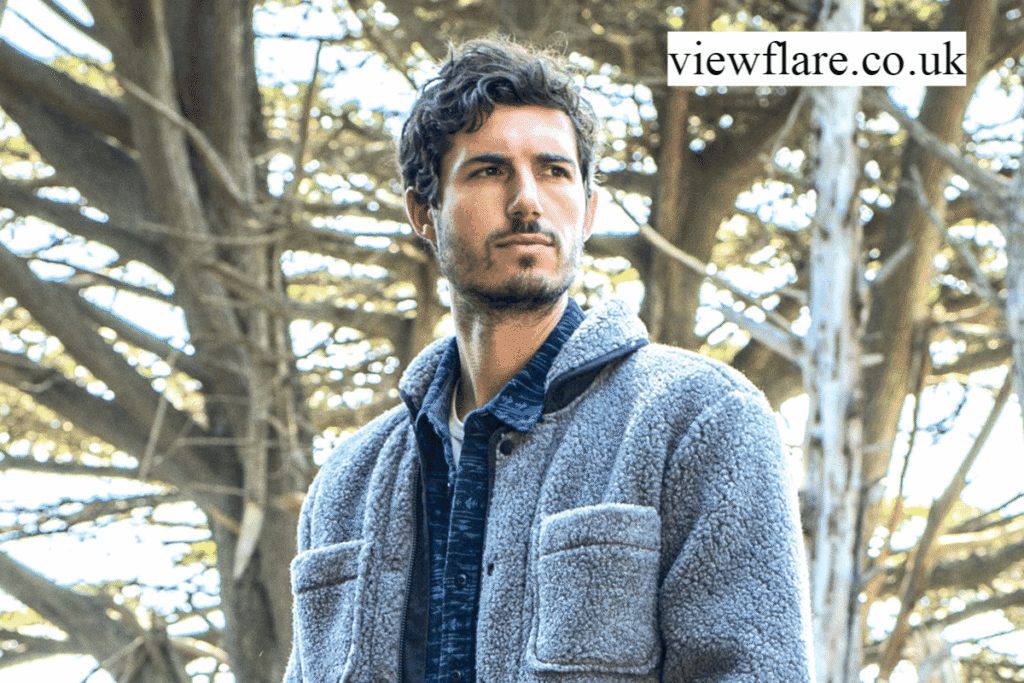
The most versatile choices are chinos, dress pants and tailored slacks.
A few reliable combinations include:
Navy jacket + gray trousers
A classic professional combination suitable for many office environments.
Gray jacket + navy trousers
A balanced alternative when you want something different from the traditional navy blazer.
Brown jacket + navy chinos
A warmer combination that works particularly well in fall.
Olive jacket + khaki chinos
A more relaxed option for creative or casual workplaces.
The important rule is contrast. Your jacket and trousers should look intentionally different rather than appearing like an accidentally mismatched suit.
Which Shoes Work Best?
Leather shoes are one of the safest choices for business casual outfits. Loafers, Oxfords, derby shoes and clean leather lace ups can all work depending on the workplace.
Emily Post similarly identifies loafers and loafer style shoes as traditional business casual choices, while noting that footwear expectations can become more relaxed in less formal workplaces.
Choose footwear that is:
- Clean
- In good condition
- Appropriate for the workplace
- Compatible with your trousers
- Comfortable enough for your daily routine
Sneakers can work in some modern offices, but they should be simple, clean and intentionally styled rather than athletic looking.
Casual Business Jacket for Different Work Situations
Job Interview
When interviewing, slightly overdressing is generally safer than looking too casual.
A blazer or sport coat with a collared shirt, tailored trousers and polished shoes is a strong starting point.
However, always consider the company. A conservative finance or legal environment may expect business professional clothing rather than business casual.
Normal Office Day
For an ordinary office day, you can use a less formal jacket.
Try a blazer with chinos, an Oxford shirt and loafers. In a relaxed workplace, a minimalist bomber or Harrington may also work.
Client Meeting
Choose the more polished end of business casual.
A navy blazer, dress shirt, gray trousers and leather shoes create a reliable combination for many professional settings.
Business Dinner or Networking Event
A sport coat or blazer is often a useful choice because it transitions naturally from office wear to evening settings.
A darker jacket, crisp shirt, tailored trousers and loafers can create a refined appearance without requiring a complete suit.
What Is the Difference Between Business Casual and Business Professional?
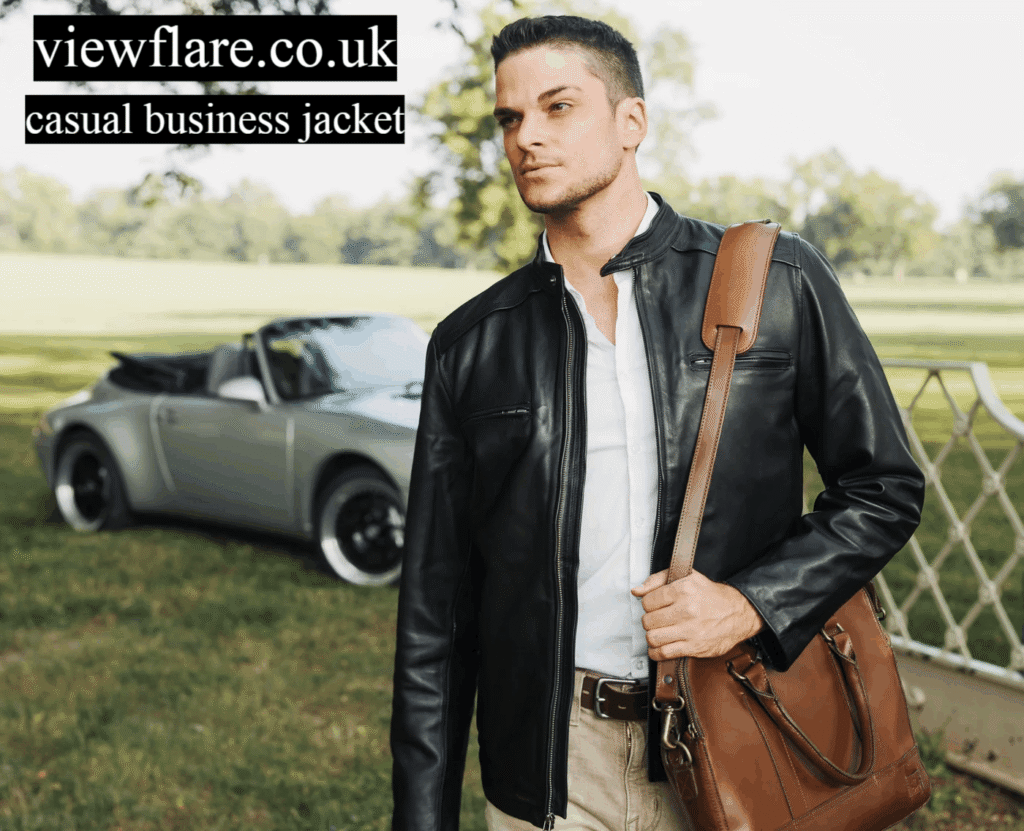
Business casual is less formal and allows more flexibility, while business professional generally relies on more traditional structured clothing.
| Feature | Business Casual | Business Professional |
|---|---|---|
| Jacket | Blazer or sport coat | Structured suit jacket |
| Pants | Chinos, slacks or trousers | Matching suit trousers |
| Shirt | Button down, polo or dress shirt | Dress shirt |
| Tie | Usually optional | Often expected |
| Shoes | Loafers, Oxfords and other dress shoes | Traditional dress shoes |
| Colors | Neutral or moderate variety | Usually conservative |
| Overall feel | Polished and flexible | Formal and conservative |
Business professional remains common in traditional fields such as finance, law, government and accounting, while business casual is used across many modern workplaces.
Casual Business Jacket for Women
The same general principle applies to women’s business casual jackets: the jacket should complement the workplace dress code while maintaining a polished appearance.
Useful options include:
- Tailored blazers
- Lightweight structured jackets
- Neutral colored jackets
- Cropped professional jackets where appropriate
- Classic business casual coats
For women, a blazer can be paired with trousers, a skirt or a professional dress depending on the workplace.
The exact standard should always follow the organization’s dress code rather than assuming that one definition applies everywhere.
What About Business Coats for Ladies?
Business coats for ladies should combine practical weather protection with an office appropriate appearance.
For colder weather, useful choices include:
- Wool coats
- Structured overcoats
- Classic trench coats
- Minimalist wool blend coats
- Tailored insulated coats
Neutral shades such as camel, navy, charcoal, black and gray are easy to combine with professional clothing.
How to Build a Small Business Casual Jacket Wardrobe
You do not need ten jackets to create a versatile wardrobe.
Start with three.
1. Navy blazer
Your most versatile professional layer.
2. Gray or brown sport coat
Adds texture and variety.
3. Lightweight casual jacket
Useful for relaxed offices, commuting and transitional weather.
From there, you can add a peacoat, Harrington or field jacket depending on your workplace and climate.
This approach gives you multiple styling options without filling your wardrobe with pieces that rarely get worn.
Common Mistakes to Avoid
A business casual jacket can fail even when the individual pieces are technically acceptable.
Avoid these mistakes:
- Wearing an obviously mismatched suit jacket
If the jacket clearly belongs to a suit, it may look awkward with separate trousers. - Choosing an overly sporty jacket
Athletic materials, large logos and technical details can look too casual. - Ignoring fit
An expensive jacket will still look poor if the shoulders, sleeves or body fit incorrectly. - Overloading the outfit
If your jacket has a strong pattern, keep the shirt and trousers simple. - Ignoring your workplace
Business casual does not have one universal definition. The same outfit may be appropriate in one office and too casual in another.
Final Verdict
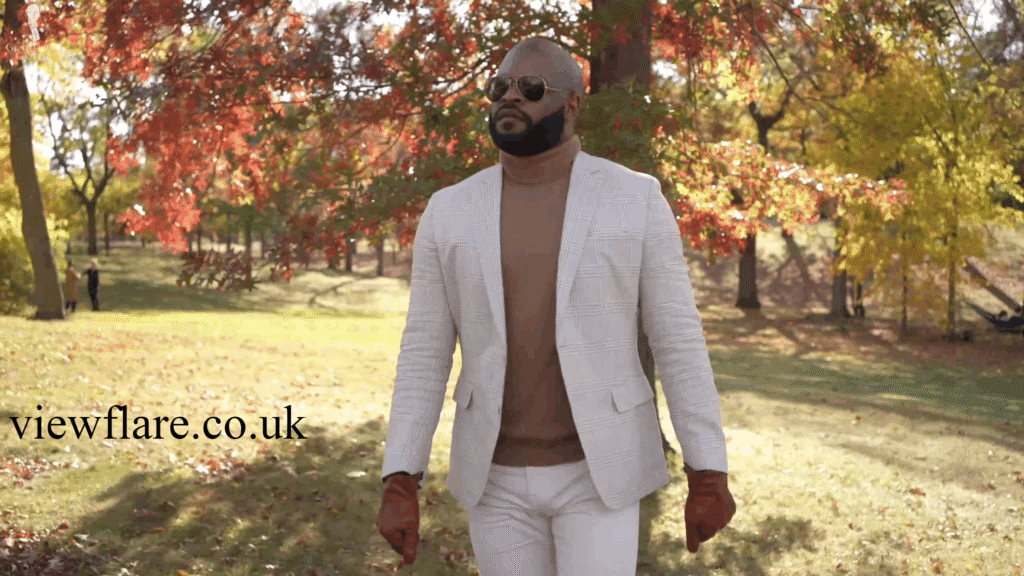
The best casual business jacket is not necessarily the most expensive or fashionable option. It is the jacket that fits well, works with your existing wardrobe and matches the expectations of your workplace.
For most men, a navy blazer, versatile sport coat or minimalist lightweight jacket provides the strongest starting point.
Build around neutral colors, breathable fabrics and clean silhouettes. Pair the jacket with chinos or tailored trousers, a collared shirt and appropriate shoes. Most importantly, understand your company’s dress code before deciding how casual you can go.
When in doubt, choose the more polished option. You can always become more relaxed after you understand the workplace culture.
Custom FAQs
What is a casual business jacket for women?
A casual business jacket for women is a polished layer designed for professional but less formal workplaces. Tailored blazers, structured lightweight jackets and simple neutral coats are common choices.
What is a business casual jacket for men?
A business casual jacket for men is a professional looking jacket that is less formal than a traditional suit jacket. Blazers, sport coats and certain minimalist lightweight jackets are common examples.
What are the best business casual jackets?
The best options include navy blazers, sport coats, lightweight structured jackets, Harrington jackets and simple peacoats. The right choice depends on your workplace, climate and personal style.
What is a business professional jacket?
A business professional jacket is normally part of a formal suit and is designed to create a conservative, polished appearance. Traditional business professional clothing is common in more formal industries and settings.
What are business coats for ladies?
Business coats for ladies are professional outerwear options such as tailored wool coats, trench coats and structured insulated coats that provide warmth while maintaining an office appropriate appearance.
Author Bio: Johan Harwen is a fashion and style writer focused on practical men’s business casual clothing, jackets, and professional outfit ideas. He shares simple, modern styling advice to help readers dress confidently for the workplace.
Email: johanharwen@314gmail.com
Author Name: Johan Harwen