
Energy and Power Technology Definition: Types, Examples, and Applications 2026

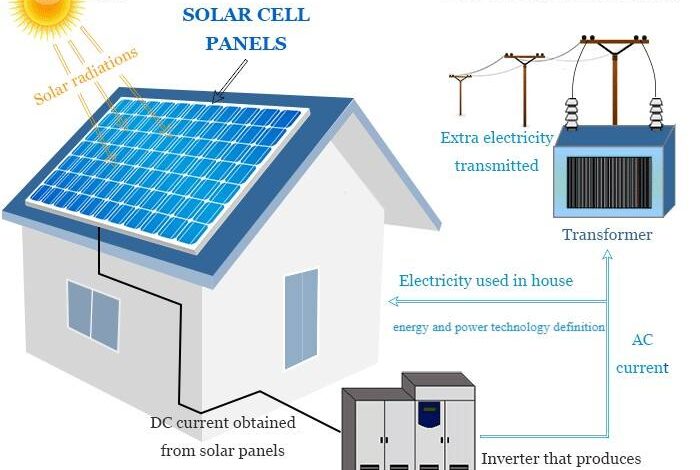
Energy and power technology refers to the tools, systems, equipment, and processes used to produce, convert, store, distribute, manage, and energy and power technology definition. It covers everything from coal-fired and nuclear power plants to solar panels, wind turbines, batteries, smart grids, electric vehicles, and digital energy-management systems.
The concept is broader than electricity alone. Energy can exist as heat, chemical energy, mechanical energy, electrical energy, and other forms, while power technology focuses heavily on producing and delivering useful energy at the required rate.
Today, the energy technology sector is changing rapidly as renewable energy technologies, energy storage, electrification, automation, digital systems, and clean technology become increasingly important.
What Is Energy and Power Technology?
Energy and power technology is the application of engineering, science, equipment, and digital systems to generate, transform, store, transmit, distribute, and use energy efficiently.
Energy itself is commonly defined as the ability to do work. It can be stored or transformed from one form into another. The U.S. Energy Information Administration (EIA) identifies forms such as heat, light, motion, electrical, chemical, and gravitational energy.
Power is closely related but is not the same thing as energy. Power describes the rate at which energy is transferred or used. For example, a 1,000-watt appliance has a power rating of 1 kilowatt, while the electricity it consumes over time is measured in kilowatt-hours.
This distinction is important when understanding modern power systems.
Energy vs. Power at a Glance
| Concept | Meaning | Common Unit |
|---|---|---|
| Energy | Capacity to do work | kWh, MWh, joules |
| Power | Rate of energy transfer or use | W, kW, MW, GW |
| Electricity | A widely used secondary energy source | kWh, MWh |
| Capacity | Maximum electrical output under specified conditions | MW, GW |
| Generation | Electricity produced over time | kWh, MWh |
EIA distinguishes electricity generation from capacity: generation measures electricity produced over time, while capacity represents the maximum electrical output a generating facility can supply under specified conditions.
What Are the Main Types of Energy and Power Technology?
Energy and power technologies can be grouped into several major categories: electricity generation, thermal energy, energy storage, power transmission and distribution, transportation, and digital energy management.
1. Electricity Generation Technology
Electricity generation technology converts another form of energy into electrical power.
The major technologies include:
- Natural gas power plants
- Coal-fired power plants
- Nuclear power plants
- Hydroelectric power
- Wind turbines
- Solar photovoltaic systems
- Geothermal power
- Biomass generation
- Petroleum-based generation
- Marine and wave energy technologies
In the United States, electricity is produced from a diverse combination of fossil fuels, nuclear energy, and renewable energy. EIA identifies technologies including steam turbines, gas turbines, hydro turbines, wind turbines, and solar photovoltaics.
2. Renewable Energy Technology
Renewable energy technologies use sources that are naturally replenished, such as sunlight, wind, flowing water, geothermal heat, and biomass.
Important examples include:
- Solar energy: Photovoltaic panels convert sunlight directly into electricity.
- Wind power: Wind turbines convert the movement of air into electrical power.
- Hydroelectric power: Moving water drives turbines and generators.
- Geothermal energy: Heat from beneath Earth’s surface is used for electricity or heating.
- Biomass energy: Organic material can be converted into heat, electricity, or fuels.
- Marine energy: Waves and tides can potentially be used to generate power.
These technologies are a major part of the global energy transition. According to the IEA’s 2026 Global Energy Review, renewables accounted for 34% of global electricity generation in 2025, up from 32% in 2024.
How Does Energy Storage Technology Work?
Energy storage technology stores energy when it is available and releases it when needed. It helps balance electricity supply and demand, especially when generation from solar and wind changes with weather conditions.
Common energy storage technologies include:
- Lithium-ion batteries
- Other chemical battery systems
- Pumped-storage hydropower
- Thermal energy storage
- Molten-salt storage
- Mechanical storage
- Hydrogen-based energy storage
Chemical, Physical, and Thermal Storage
Chemical energy storage stores energy through chemical reactions, as in batteries and some hydrogen systems.
Physical or mechanical storage uses physical processes. Pumped-storage hydropower, for example, moves water to a higher elevation so its stored potential energy can later be converted into electricity.
Thermal energy storage stores heat for later use. Water, molten salt, and other materials can act as storage media.
Storage is becoming increasingly important as power systems incorporate more variable renewable generation.
What Is Thermal Energy Technology?
Thermal energy technology deals with the production, transfer, storage, and use of heat.
It includes both conventional and renewable systems.
Examples include:
- Industrial heating systems
- District heating
- Solar heating systems
- Solar boilers
- Geothermal heating
- Biomass heating
- Heat storage systems
- Molten-salt thermal storage
Thermal energy can come from conventional fossil fuels such as natural gas, coal, LPG, and oil, or from renewable resources such as solar thermal energy, geothermal heat, and biomass.
The key difference between electrical and thermal systems is that electricity is often easier to transmit and use across many applications, while heat is frequently generated close to where it is consumed.
How Do Power Grids and Energy Infrastructure Work?
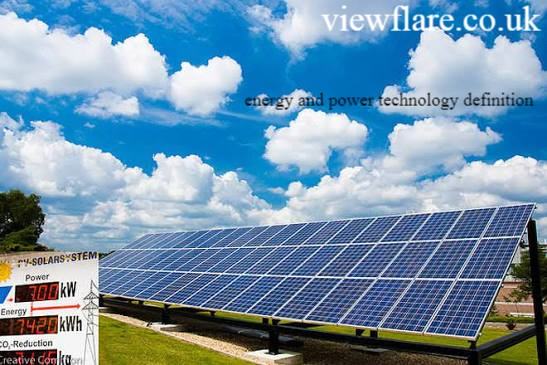
Power grids connect electricity generators with consumers through transmission and distribution infrastructure.
A simplified electricity pathway looks like this:
Energy source → Generation → Transmission → Distribution → Consumer
For example, a solar farm generates electricity, transmission infrastructure moves bulk electricity across longer distances, and local distribution networks deliver it to homes and businesses.
Modern energy infrastructure increasingly includes:
- High-voltage transmission lines
- Distribution networks
- Transformers
- Substations
- Smart meters
- Battery storage
- Distributed solar
- Demand-management systems
- Grid-monitoring technology
Electricity transmission and distribution are not perfectly efficient; some energy is lost, including as heat.
What Role Does Clean Technology Play in the Energy Sector?
Clean technology, or cleantech, aims to provide useful products and systems with lower environmental impacts than conventional alternatives.
The broader group of related concepts includes:
- Green energy
- Clean energy
- Climate tech
- Sustainable energy
- Renewable technologies
- Energy efficiency
- Low-emission transportation
- Carbon-reduction technologies
However, these terms should not automatically be treated as synonyms.
For example, renewable energy specifically refers to energy from naturally replenished sources, while cleantech is a broader technology category that can include energy efficiency, storage, transportation, and other solutions.
This distinction matters when evaluating energy technologies because a technology can contribute to emissions reduction without necessarily being a renewable energy source.
How Are Mobility and Transportation Changing Energy Technology?
Transportation is another major area of energy technology.
Traditional transportation technologies depend heavily on liquid fuels such as gasoline, diesel, and aviation fuels. Modern energy systems are expanding the role of:
- Electric vehicles
- Plug-in hybrid vehicles
- Battery technology
- EV charging infrastructure
- Hydrogen vehicles
- Biofuels
- Alternative fueling stations
- Electric public transportation
- Sustainable mobility systems
Electric vehicles connect the transportation sector directly to the electricity sector because their batteries can be charged from the power grid.
This creates both opportunities and challenges. More electric transportation can increase electricity demand, while smart charging and energy-management systems can help coordinate when vehicles consume electricity.
How Is AI Transforming Energy and Power Technology?
Artificial intelligence is increasingly being applied to energy systems for forecasting, optimization, monitoring, maintenance, and decision support.
Potential applications include:
- Demand forecasting — predicting electricity consumption.
- Renewable forecasting — estimating solar and wind output.
- Predictive maintenance — identifying equipment problems before failures.
- Grid optimization — improving how electricity flows through networks.
- Energy management — reducing unnecessary consumption.
- Trading and market analysis — analyzing complex electricity-market data.
AI works alongside other technologies such as the Industrial Internet of Things (IIoT), cloud computing, sensors, automation, and digital twins.
The important point is that AI does not replace the underlying physical energy infrastructure. Instead, it can make complex energy systems more observable, predictable, and controllable.
What Are the Benefits of Modern Energy Technologies?
Modern energy and power technologies can provide several important benefits:
Greater Energy Efficiency
Advanced equipment, sensors, automation, and energy-management systems can help identify waste and improve how energy is consumed.
More Diverse Energy Sources
Solar, wind, hydropower, geothermal, biomass, nuclear, and conventional generation technologies give energy systems multiple sources of supply.
Improved Grid Flexibility
Energy storage, demand response, distributed generation, and smart-grid technologies can help systems respond to changing supply and demand.
Lower Transportation Emissions
Electric mobility, public transportation electrification, hydrogen, and alternative fuels can provide alternatives to conventional petroleum-based transportation.
Better Energy Management
Digital technologies can help businesses and utilities monitor energy consumption and make more informed operational decisions.
What Does the Future of Energy and Power Technology Look Like?
The future is likely to involve greater electrification, renewable generation, energy storage, digitalization, and flexible power systems rather than one technology replacing everything else.
The IEA’s 2025 renewables outlook projected around 4,600 GW of additional global renewable power capacity between 2025 and 2030, with solar PV expected to account for nearly 80% of that expansion.
At the same time, conventional power technologies will continue to play roles in many markets. Energy systems need to balance reliability, affordability, environmental objectives, infrastructure limitations, and growing electricity demand.
This means the future energy system will likely be a combination of:
- Renewable power
- Nuclear energy
- Flexible conventional generation
- Battery and long-duration storage
- Modern transmission
- Smart distribution networks
- Electric transportation
- Energy-efficient buildings and industry
- AI and automation
- Advanced energy-management systems
The biggest opportunity is therefore not simply generating more energy. It is creating an integrated energy system that can generate, store, distribute, and use energy efficiently and reliably.
Custom FAQs
What is an energy technology definition?
Energy technology is the application of science, engineering, equipment, and digital systems to generate, convert, store, distribute, manage, and use energy. It includes renewable energy, fossil-fuel generation, nuclear power, energy storage, grids, transportation technologies, and energy-efficiency systems.
What is energy and power technology definition in a PDF?
An energy and power technology definition PDF would typically describe the technologies used to generate, transform, store, transmit, distribute, and consume energy. A useful reference should distinguish energy from power and explain technologies such as electricity generation, thermal systems, storage, grids, and transportation.
What is the energy and power technology definition in geography?
In geography, energy and power technology refers to the technologies and infrastructure used to obtain, transform, transport, distribute, and consume energy across places and regions. It can be studied in relation to natural resources, population, industry, transportation, economic development, and environmental impacts.
What are some energy technology examples?
Examples include solar panels, wind turbines, hydroelectric generators, nuclear reactors, natural gas power plants, batteries, pumped-storage systems, geothermal systems, smart grids, EV charging stations, and hydrogen infrastructure.
What is the relationship between power and energy? What is the formula?
Power is the rate of energy transfer or use. The basic relationship is:
Power = Energy ÷ Time
Or:
P = E / t
Therefore:
Energy = Power × Time
For example, a 2-kilowatt appliance operating continuously for 3 hours consumes 6 kilowatt-hours (kWh) of energy.
EIA uses watts and larger units such as kilowatts, megawatts, and gigawatts to describe power, while watt-hours and kilowatt-hours describe electricity use over time.
Conclusion
The energy and power technology definition extends far beyond electricity generation. It encompasses the complete chain from energy resources and generation to storage, transmission, distribution, transportation, and final consumption.
Traditional technologies such as natural gas, coal, nuclear power, and hydroelectric generation remain part of today’s energy landscape, while solar, wind, batteries, electric vehicles, smart grids, and other clean technologies are expanding rapidly.
The most important development is the increasing integration of these technologies. Renewable generation needs flexible grids and storage; electric vehicles connect transportation to electricity; and AI and automation can help manage increasingly complex energy systems.
Understanding these connections provides a clearer picture of how today’s energy sector is evolving and why energy technology, power infrastructure, and energy efficiency will remain important to the global economy.
Author Bio: Johan Harwen is a technology writer specializing in energy systems, power technology, renewable energy, and emerging innovations. He creates clear, research-based content that helps readers understand complex energy technologies and industry trends.
Email: johanharwen@314gmail.com
Author Name: Johan Harwen