
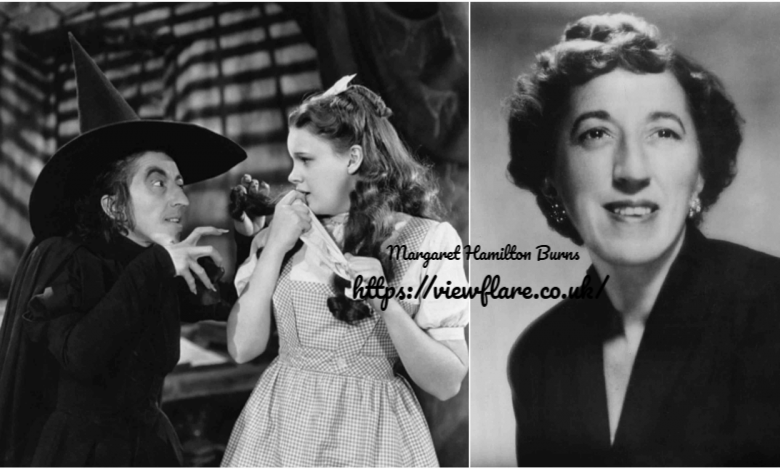
Quick answer: Yes. In late 1938, while filming the Munchkinland exit for MGM’s The Wizard of Oz, Margaret Hamilton was burned when a fire effect went off before she had finished dropping through a trap door. Margaret Hamilton Burns Widely repeated accounts describe second-degree burns on her hand and third-degree burns on her face. She was off the set for roughly six weeks, then came back and finished the film.
The Wicked Witch of the West is one of the most frightening villains in movie history. Behind that performance was a real injury, and it has been retold so many times that fact and legend have blurred. Here is what is well documented, what is disputed, and what has been mixed up along the way.
How Did Margaret Hamilton Get Burned?
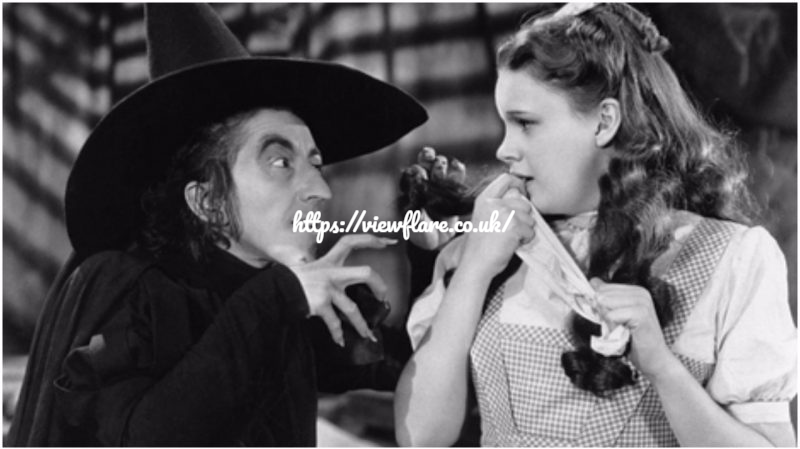
The accident happened during the scene where the Wicked Witch leaves Munchkinland. After Glinda drives her off, the Witch vanishes in a burst of flame and red smoke.
The effect worked like this:
- Hamilton stood on a small elevator platform hidden beneath the set.
- Trap doors closed over her as the platform lowered her out of sight.
- Pyrotechnics were set off at the spot where she had been standing, so the audience saw only fire and smoke.
On the first take, the timing failed. The flames erupted while Hamilton was still on the platform and the doors had not fully protected her. Her costume, her skin and, critically, her makeup were suddenly in the path of the fire.
Why Did Her Makeup Make It Worse?
Her Witch makeup was a heavy green greasepaint, reportedly copper-based. That detail is why the burns are remembered as so painful. The makeup was reportedly removed quickly at the studio hospital with a solvent, which added to her pain. Studio staff and later retellings stress that the green face paint had to come off fast, and that removing it from freshly burned skin was an ordeal of its own.
Hamilton was also uncomfortable with the makeup throughout filming. Accounts say she avoided eating solid food during shooting days and drank through a straw so she would not disturb the paint. The toxicity of film makeup in that era is worth remembering. Co-star Buddy Ebsen, the original Tin Man, left the production after a reaction to the aluminum-based makeup he wore. Source:facebook
How Severe Were Margaret Hamilton’s Burns?
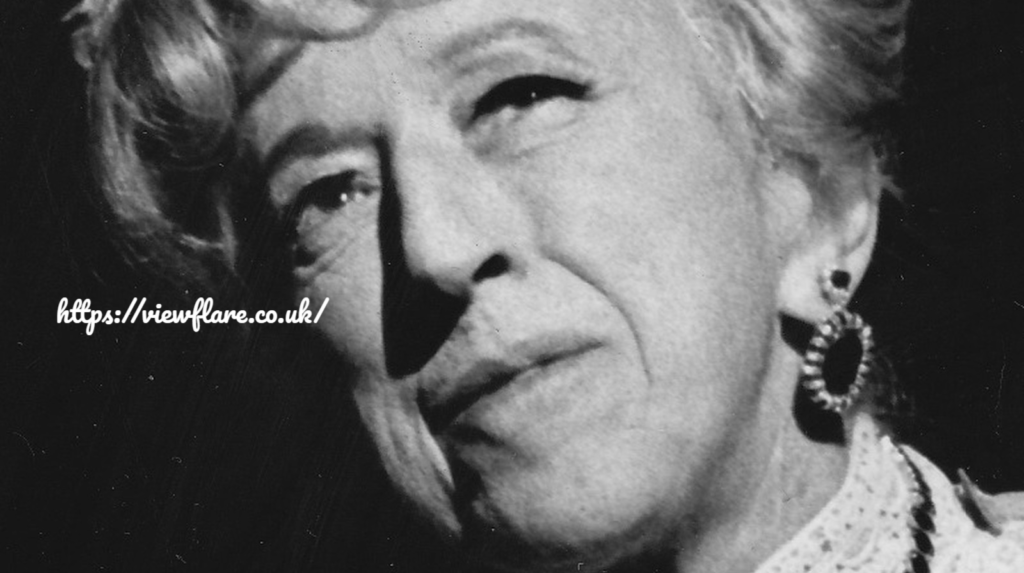
Short answer: Most sources describe third-degree burns on her face and second-degree burns on her hand. No public medical records exist, so the exact severity is based on retellings.
| Burn degree | What it means | Where it’s reported |
|---|---|---|
| First-degree | Affects only the outer skin layer | Not usually attributed to her |
| Second-degree | Blisters, deeper skin damage | Her hand |
| Third-degree | Destroys the full thickness of the skin | Her face |
A caution here: some tellings exaggerate the damage, while others play it down because she returned to work in a few weeks. A fair reading is that the injury was serious enough to require hospital care and time away, and that her face healed well enough for her to resume playing the Witch in full makeup.
What About Her Hands?
Because her hand was burned, the production reportedly adjusted how it appeared on screen. Hamilton’s hands were not painted green again right away, and accounts say green gloves were used while the skin recovered. Her hand scenes after the accident are often cited as a quiet continuity workaround.
How Long Was Margaret Hamilton Away From the Set?
Short answer: About six weeks, according to most accounts, though sources vary slightly.
During that time, MGM shot scenes that did not involve the Witch and rearranged the schedule around her absence. The studio considered replacing her, and a few retellings say a different actress was discussed, but the production ultimately waited. Hamilton was by then so closely tied to the role that she was brought back.
When she returned, she agreed to continue on one condition. She would not do any further scenes involving fire. The Munchkinland exit was reshot with the effect restructured so the flames would not reach her, and the remaining stunts involving fire were handled differently.
Was Betty Danko’s Accident Part of the Same Incident?
No, and this is the most common mix-up. Hamilton’s stunt double, Betty Danko, was injured separately in early 1939 during the broomstick skywriting sequence in the Winkie Castle section. A smoke-emitting pipe on the broom reportedly exploded, and she suffered leg burns that kept her in the hospital for days.
| Margaret Hamilton | Betty Danko | |
|---|---|---|
| Role | Wicked Witch of the West | Hamilton’s stunt double |
| Scene | Munchkinland fiery exit | Broomstick skywriting |
| Cause | Fire effect fired too early | Smoke pipe on the broom exploded |
| Injuries (reported) | Face and hand burns | Leg burns |
| Timing | Late 1938 | Early 1939 |
Many casual retellings combine the two events into one, which is how you end up with claims that Hamilton herself was injured in the broomstick scene.
How Did the Accident Change Her Part in the Film?
The Witch’s screen time is short, and the accident did not reduce it significantly. The effects were redesigned. Careful viewers can see how the Munchkinland vanish was staged so the Witch drops from view before the fire reaches the frame.
What the accident really changed was how safety was handled around the performance. Hamilton’s refusal to do further fire scenes forced the production to use doubles and rework the pyrotechnics, which was a meaningful shift in a studio era known for treating performer risk lightly.
The Long-Term Impact of the Burns
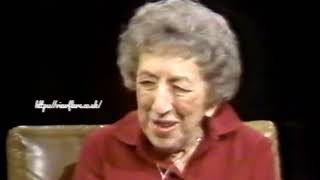
Hamilton did not let the injury define her. She was a former kindergarten teacher who loved children, and she worried that the Witch would frighten young viewers. In 1975, she appeared on Mister Rogers’ Neighborhood and showed children that the Witch was just a part she played. She also worked widely in character roles and television, and was familiar to American audiences for years as Cora in coffee commercials.
Her Wicked Witch remains the benchmark for screen villains. Many people also see the accident as part of the film’s legend, a reminder that the magic of 1939 came with real risks.
6. Custom FAQ Section
Did Margaret Hamilton have burn scars?
Most accounts say her face healed well and she resumed filming in the green makeup. Reports about a lasting mark on her hand are inconsistent, and no public medical records confirm permanent scarring. Treat claims of visible, lasting disfigurement with caution.
When did Margaret Hamilton die?
Margaret Hamilton died on May 16, 1985, in Salisbury, Connecticut, at age 82. She was born on December 9, 1902, in Cleveland, Ohio.
What was Margaret Hamilton’s injury on The Wizard of Oz?
She suffered burns to her face and hand when a fire effect in the Munchkinland exit scene misfired in late 1938. She was away from the set for roughly six weeks.
What was Margaret Hamilton’s cause of death?
Her death is widely reported as a heart attack. It was not connected to the burns she suffered on set decades earlier.
What happened in the Margaret Hamilton burn scene?
In the Munchkinland exit, the Witch disappears in fire and smoke. She was standing on a hidden elevator platform below a trap door when the flames fired too early, burning her before she was fully out of sight.
What was Margaret Hamilton’s net worth?
There is no reliable, verified figure for her net worth, and estimates online are generally unsourced. She worked steadily as a character actress across film, television, radio and stage for decades but was never counted among Hollywood’s wealthiest stars.
Who was Margaret Hamilton as an actress?
She was an American character actress best known for playing the Wicked Witch of the West and Miss Almira Gulch in The Wizard of Oz (1939). She also appeared in films such as My Little Chickadee (1940), on Broadway, and in television, including long-running coffee commercials.
Was Margaret Hamilton on Sesame Street?
Yes. She appeared on Sesame Street in 1976 in a Wicked Witch role. The episode was reportedly pulled after parents complained that the witch was too frightening for young viewers.