

Introduction
Have you ever wondered how Bitcoin actually works behind the scenes, or why companies keep talking about blockchain like it’s the next big revolution? You are not alone. So what is blockchain, really? In simple terms, it is a digital record book that many computers share and update together, without needing a single company or bank to control it.
This technology has quietly reshaped how we think about trust, money, and data. It sounds technical, but once you break it down, it is actually pretty easy to understand. In this article, I will walk you through how blockchain works, why it matters, whether it is truly secure, and what its real benefits and drawbacks are. By the end, you will have a clear, practical picture of this technology and why so many industries are paying attention to it.
What Is Blockchain?
Blockchain is a digital ledger that records transactions across many computers at once, so no single person can change the data alone.
Think of it like a shared notebook that thousands of people have identical copies of. Every time someone adds a new entry, everyone’s copy updates at the same time. If someone tries to sneak in a fake entry, it simply will not match everyone else’s notebook, so it gets rejected.
Each new entry is called a block. Once a block is filled with information, it gets linked to the block before it, forming a chain. That is where the name blockchain comes from.
How Does Blockchain Work?
Understanding how blockchain works becomes much easier when you break it into simple steps. source: Investopedia
Step 1: A Transaction Happens
Someone requests a transaction. This could be sending cryptocurrency, signing a contract, or transferring ownership of an asset.
Step 2: The Transaction Gets Verified
A network of computers, often called nodes, checks the transaction to confirm it is legitimate. This process usually relies on cryptography rather than a single trusted authority. viewflare
Step 3: The Transaction Joins a Block
Once verified, the transaction is grouped with others into a block, which is essentially a small package of data.
Step 4: The Block Gets a Unique Code
Every block receives a unique digital fingerprint called a hash. This hash also references the hash of the previous block, tying them together permanently.
Step 5: The Block Joins the Chain
The new block is added to the existing chain, and every computer in the network updates its copy. From this point on, changing that block would require altering every single block after it across thousands of computers, which is nearly impossible.
That is the basic magic behind blockchain. It is not one computer keeping score. It is thousands of them agreeing together.
Why Is Blockchain Important?
You might be thinking, why does any of this matter to me? Here is the thing. Blockchain solves a very old problem: how do you trust someone you have never met, without needing a middleman?
Traditionally, we rely on banks, governments, or companies to verify transactions and keep records honest. Blockchain removes that need for a middle party in many cases. That has huge implications across industries. viewflare
Here are some real examples of why it matters:
- Finance: Banks use blockchain to speed up cross border payments that used to take days.
- Supply chains: Companies like Walmart use blockchain to track food products from farm to store, cutting down the time it takes to trace contamination sources.
- Healthcare: Hospitals are exploring blockchain to securely share patient records between providers without risking data tampering.
- Voting systems: Some regions are testing blockchain based voting to reduce fraud and increase transparency.
- Real estate: Property deeds can be recorded on a blockchain, reducing paperwork and fraud risk during transfers.
These are not just theoretical use cases. They are already happening today, and adoption keeps growing every year.
Is Blockchain Secure?
This is probably the question people ask most. And honestly, the answer is yes, mostly, but with some nuance.
Blockchain security comes from a few key features:
- Decentralization. Since data is spread across thousands of computers, there is no single point of failure for hackers to target.
- Cryptographic hashing. Every block is locked with a unique code. Altering even one letter of data changes the entire hash, which alerts the network instantly.
- Consensus mechanisms. Most blockchains require the majority of the network to agree before any change is accepted, making fraud extremely difficult.
That said, blockchain is not completely immune to risks. Exchanges and wallets built on top of blockchain have been hacked before, mostly due to weak security practices rather than flaws in the blockchain itself. So while the core technology is very secure, how people use it still matters a lot.

What Are the Benefits of Blockchain?
Let’s look at why so many businesses are excited about this technology.
- Transparency: Everyone on the network can see the same data, which builds trust. source: IBM
- Security: Cryptographic protection makes tampering extremely difficult.
- Efficiency: Removing middlemen often speeds up processes and cuts costs.
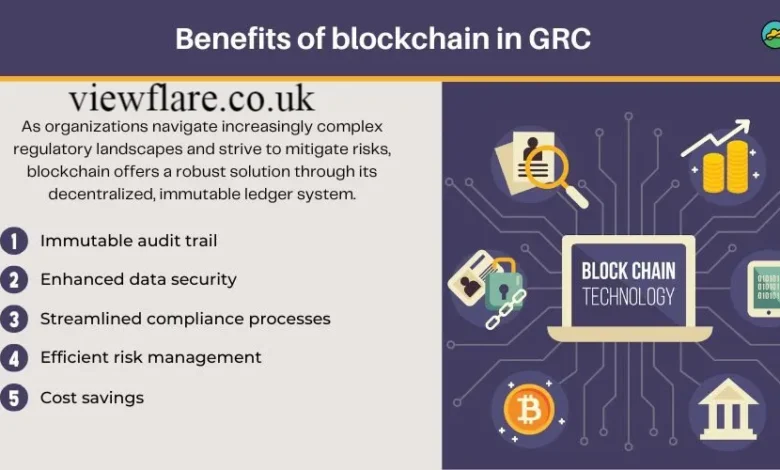
- Traceability: Every transaction is recorded permanently, which is great for auditing and tracking goods.
- Reduced fraud: Since records cannot be easily altered, fraudulent activity becomes much harder to pull off.
I personally find the traceability aspect the most impressive. Imagine being able to track exactly where your coffee beans came from, roasted where, and shipped through which route, all verified and unchangeable.
What Are the Disadvantages of Blockchain?
Blockchain is powerful, but it is not perfect. Here are some honest drawbacks worth knowing.
- High energy use: Some blockchains, especially ones using proof of work, consume a huge amount of electricity.
- Scalability issues: Many blockchains struggle to process large volumes of transactions quickly.
- Complexity: For everyday users, blockchain can feel confusing and technical.
- Irreversible errors: If you send funds to the wrong address, there is often no way to undo it.
- Regulatory uncertainty: Laws around blockchain and cryptocurrency are still evolving in many countries, which creates uncertainty for businesses.
These challenges do not cancel out the benefits, but they are important to understand before assuming blockchain is a magic fix for everything. viewflare
Blockchain vs Traditional Database
| Feature | Blockchain | Traditional Database |
|---|---|---|
| Control | Distributed across many nodes | Controlled by one central authority |
| Data changes | Very difficult to alter once recorded | Can be edited or deleted by admins |
| Transparency | Open and visible to network participants | Usually private and restricted |
| Speed | Often slower due to verification steps | Generally faster for simple queries |
| Trust model | Trust is built through consensus | Trust is placed in a central operator |
| Best for | Situations requiring shared trust, like payments or supply chains | Situations needing speed and central control, like internal company records |
Conclusion
So, what is blockchain in a nutshell? It is a shared, secure, and transparent way of recording information across a network of computers, without relying on one central authority. From finance to healthcare to supply chains, this technology is already changing how industries build trust and manage data.
Like any tool, it has real strengths and real limitations. It is not going to replace every database overnight, but it is solving problems that older systems could never fully handle.
What do you think? Could blockchain change how your industry works, or do you see it as overhyped? Feel free to share your thoughts, and if this article helped clear things up, pass it along to someone who is still asking, “wait, what is blockchain again?”
FAQs
1. What is blockchain in simple terms? It is a digital record book shared across many computers, where entries cannot be easily changed once added.
2. Is blockchain the same as Bitcoin? No. Bitcoin is a cryptocurrency that uses blockchain technology, but blockchain itself has many other uses beyond money.
3. Can blockchain be hacked? The core blockchain structure is very hard to hack, but wallets, exchanges, and apps built on top of it can still have vulnerabilities.
4. Why do companies use blockchain instead of regular databases? Companies use it when they need shared trust between multiple parties without a single controlling authority.
5. Is blockchain only used for cryptocurrency? No. It is used in supply chains, healthcare records, voting systems, real estate, and much more.
6. Does blockchain use a lot of energy? Some types do, especially those using proof of work systems, though newer models are far more energy efficient.
7. Who controls a blockchain network? No single person or company controls it. Instead, control is shared across all participating computers in the network.
8. Is blockchain the future of data storage? It is unlikely to replace all databases, but it will likely play a growing role wherever transparency and trust matter most.
About the Author: Sarah Mitchell is a technology writer who focuses on breaking down complex digital trends like blockchain, artificial intelligence, and cybersecurity into simple, practical explanations. She enjoys helping everyday readers understand the tools shaping tomorrow’s world.
email: johanharwen@314gmail.com
Author Name: Sarah Mitchell